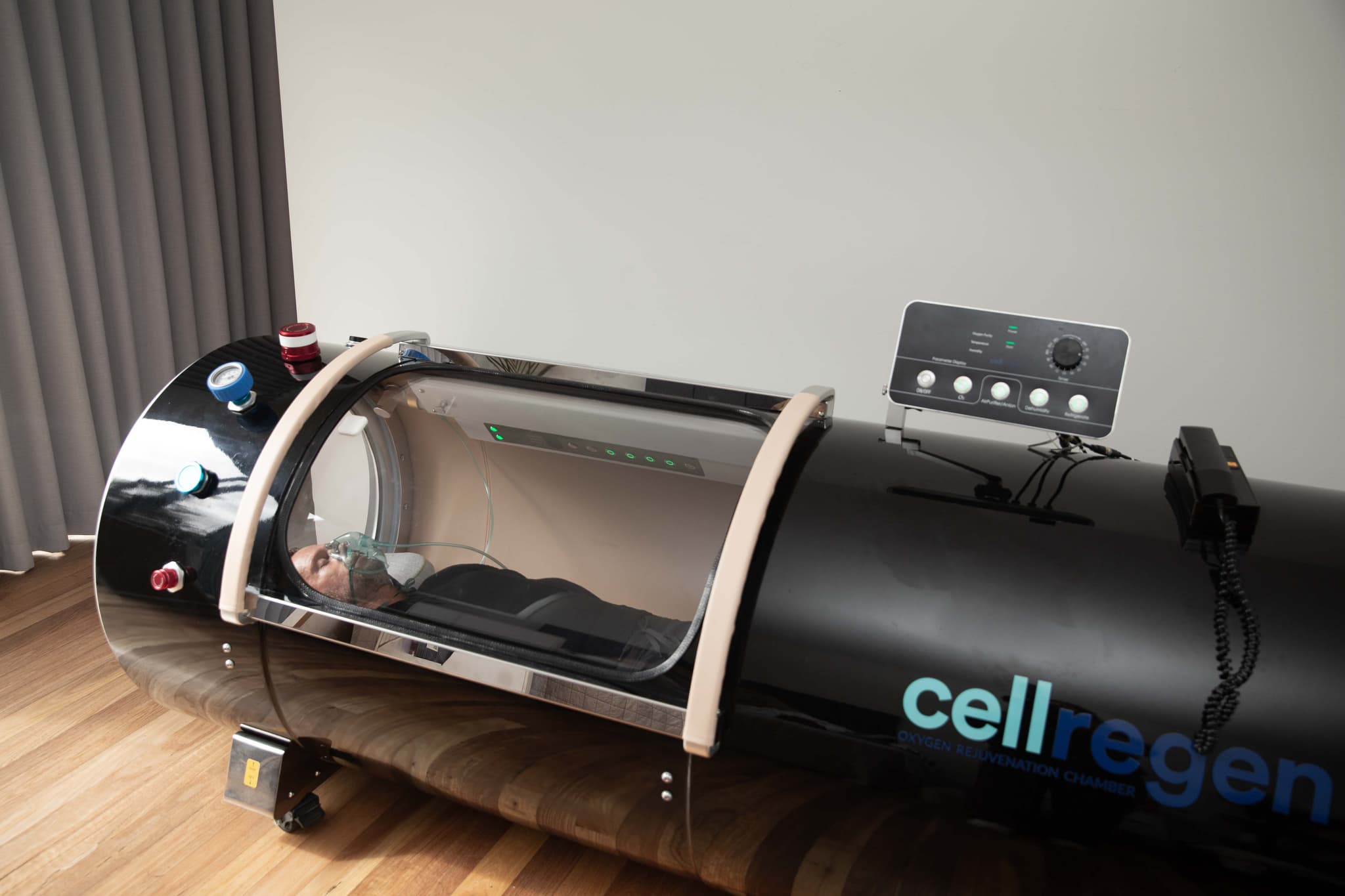
Mild Hyperbaric Oxygen Therapy (mHBOT) is gaining attention as a way to speed up healing, reduce inflammation, and support recovery without surgery or invasive treatments. People use mHBOT for chronic pain, wound healing, and recovery after injuries. Both patients and healthcare providers are noticing its benefits.
Many people want treatments that help the body heal instead of just covering up symptoms. Hyperbaric oxygen therapy is one option with scientific support. In this article, you’ll learn how mHBOT works, what conditions it may help, and how to decide if it’s a good fit for your needs.
What Is Mild Hyperbaric Oxygen Therapy?
mHBOT is a treatment where you breathe pure oxygen in a pressurised chamber. The higher pressure helps more oxygen dissolve into your blood. This extra oxygen can reach areas with poor circulation caused by injury, inflammation, or chronic health problems.
mHBOT increases oxygen levels in your body much more than standard oxygen therapy. This extra oxygen helps repair tissue, supports your immune system, and aids recovery. Hospitals offer 100% oxygen HBOT chambers where as wellness clinics and home use chamber can be conducted via mHBOT with 90-95% oxygen.
How Mild Hyperbaric Oxygen Therapy Works in the Body
To understand how mHBOT helps, it’s useful to know what happens during treatment. The higher pressure lets oxygen dissolve directly into your blood plasma, not just your red blood cells.
This means oxygen can reach damaged tissues, even where blood flow is low. With more oxygen, your body can repair itself better. mHBOT helps new cells grow, supports new blood vessels, reduces swelling, and boosts your immune system. These effects help your body heal faster and more efficiently.
Key Benefits of Mild Hyperbaric Oxygen Therapy
A main benefit of mHBOT is faster healing. By raising oxygen levels in your cells, mHBOT helps damaged tissues repair more quickly. This is especially helpful for people recovering from injuries, surgery, or wounds that are slow to heal.
mHBOT also helps reduce inflammation, which is a common cause of pain and slow healing. By improving oxygen delivery, mHBOT supports your body’s natural ability to lower inflammation. Over time, this can mean less pain and better movement.
mHBOT can also strengthen your immune system. More oxygen helps your white blood cells fight infection. This is important if you have trouble healing or get infections often.
mHBOT also improves circulation by helping your body grow new blood vessels. This restores blood flow to areas that need it. mHBOT is non-invasive, so there is no surgery, no injections, and no long recovery time.
Medical Conditions That May Benefit From HBOT
Doctors use hospital grade HBOT for many conditions, especially when there is poor circulation, tissue damage, or low oxygen. It is well known for helping wounds heal, even when other treatments have not worked.
People with wounds that will not heal, injuries from radiation, bone infections, or skin grafts that are not taking may benefit from mHBOT at home for consistent use, minimising travel time and scheduling hospital visits. It is also used to help recovery from some infections and injuries by improving oxygen delivery and tissue repair.
mHBOT is often used with other treatments, not by itself. This combined approach can help you recover more fully.
Mild Hyperbaric Oxygen Therapy Benefits for Chronic Pain and Recovery
More people are trying mHBOT for chronic fatigue Syndrome. Chronic pain often involves inflammation, poor circulation, and tissue damage. HBOT helps by increasing oxygen in these areas.
By improving oxygen delivery and lowering inflammation, mHBOT can help reduce pain and support long-term recovery. Many people notice better comfort, movement, and function after regular sessions. mHBOT is often part of a larger pain management or rehab plan, and it may help you rely less on medication.
What to Expect During a Mild Hyperbaric Oxygen Therapy Session
A typical mHBOT session is comfortable and easy for most people. You sit or lie in a chamber while the pressure slowly increases. You breathe 90-95% oxygen for about 60 to 90 minutes.
The feeling is similar to what you notice during air travel. Sessions are painless, and many people use the time to relax. After treatment, you can go back to your normal activities right away.
1. Is Mild Hyperbaric Oxygen Therapy Safe?
mHBOT is safe for most people. Like any treatment, there are some possible side effects and things to watch for.
You might feel ear pressure or sinus discomfort during treatment, but this is usually temporary. Some people feel a little tired after sessions. Serious side effects are rare if the treatment is done correctly. A medical checkup before starting mHBOT helps make sure it is safe for you.
2. How Many Sessions Are Needed to See Results?
The number of mHBOT sessions you need depends on your condition and how you respond. Short-term problems may need only a few sessions. Chronic or complex issues often need more.
Some people feel better after a few sessions. Others notice gradual changes over time. Being consistent with treatment is important. Your plan will be tailored to your recovery goals.
3. Mild Hyperbaric Oxygen Therapy vs Other Healing Therapies
mHBOT is different from many other treatments because it helps your body heal at the cellular level, not just manage symptoms. Medications often focus on pain or inflammation, but mHBOT supports your body’s natural repair by improving oxygen delivery.
For this reason, mHBOT is often used along with physical therapy, other treatments, or standard medical care. Using more than one approach can help you heal more completely.
4. Is Mld Hyperbaric Oxygen Therapy Right for You?
mHBOT may be a good choice if you have chronic pain, slow healing, inflammation, or trouble recovering. If you want a non-invasive treatment that helps your body heal naturally, mHBOT could be a good fit.
Talking with your healthcare provider is the best way to find out if mHBOT matches your needs and recovery goals.
Conclusion
More people are choosing mHBOT because they want treatments that help the body heal itself. By raising oxygen levels, lowering inflammation, and supporting tissue repair, mHBOT offers a non-invasive way to cellular repair and tissue recovery.
People use mHBOT for wound healing, pain management, and general recovery. As more people learn about it and research grows, mHBOT is becoming a trusted part of many care plans. Because of this growing demand, many successful wellness clinics now partner with experts in digital marketing to ensure their local communities can easily find and access these life-changing therapies online.