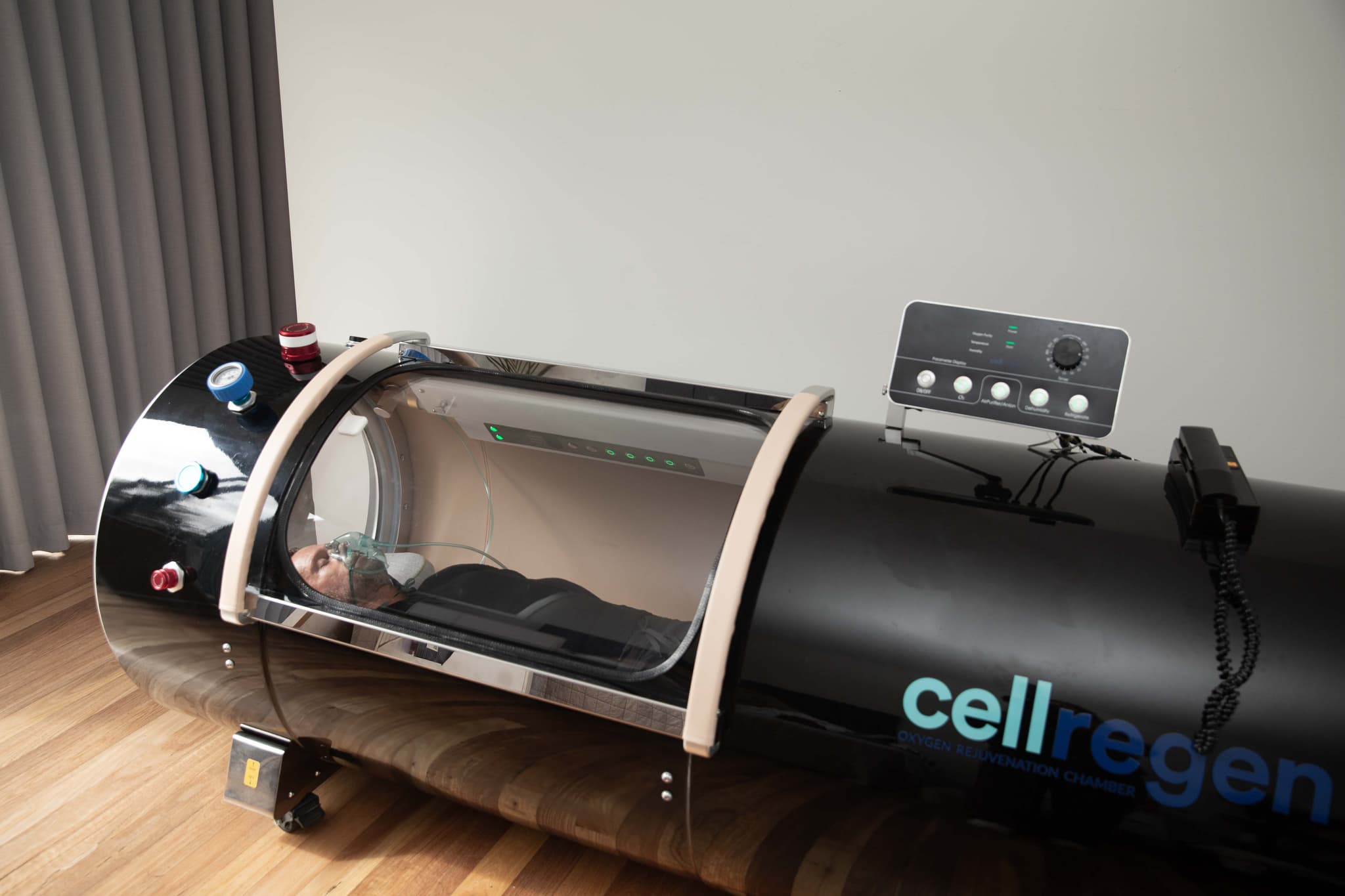
Hyperbaric Oxygen Therapy (HBOT) has moved from being a specialized medical treatment found only in hospitals to a sought-after wellness tool available in clinics, sports centers, and even private homes. While the technology is more accessible than ever, the importance of HBOT training & education cannot be overstated.
Whether you are a professional looking to add a chamber to your clinic or a health-conscious individual considering a portable unit for home use, understanding how to operate this equipment safely and effectively is the first step toward success.
In this blog, we will cover everything you need to know about HBOT education, safety protocols, and how to maximize your results.
What is HBOT and How Does It Work?
Before diving into training, it is essential to understand what is happening inside the chamber. Hyperbaric Oxygen Therapy involves breathing pure oxygen (in clinical settings) or oxygen-enriched air (in mild HBOT settings) while in a pressurized environment.
Under normal conditions, oxygen is transported throughout your body primarily by red blood cells. However, when you increase the atmospheric pressure inside an HBOT chamber, the oxygen is dissolved directly into all of your body’s fluids, including blood plasma, cerebrospinal fluid, and lymph.
This process—known as Henry’s Law—allows oxygen to reach areas where circulation might be restricted due to swelling or injury. This "super-saturation" of oxygen helps:
Reduce inflammation.
Accelerate wound healing.
Support the growth of new blood vessels (angiogenesis).
Boost the immune system.
Why Training & Education is Critical
You might think that using an HBOT chamber is as simple as "get in, zip up, and breathe." However, because you are dealing with pressurized vessels and concentrated oxygen, there are specific risks and best practices that must be understood.
HBOT training & education is critical for three main reasons:
Safety First
Pressure changes can affect the ears, sinuses, and lungs. Without proper training on "equalizing" (clearing your ears), users can experience discomfort or even injury to the eardrum. Furthermore, fire safety is a major consideration in high-pressure clinical environments where 100% oxygen is used.
Effectiveness
Knowing the correct "protocol"—which includes the level of pressure (ATA), the duration of the session, and the frequency of treatments—is the difference between seeing results and wasting time. Education helps you tailor the therapy to specific goals, such as athletic recovery, cognitive clarity, or chronic pain management.
Equipment Longevity
Chambers are a significant investment. Education teaches you how to maintain the seals, filters, and compressors to ensure your machine lasts for years.
HBOT Training for Home Users
With the rise of portable hyperbaric chambers in Australia and worldwide, more people are opting for "mild HBOT" (mHBOT) at home. These chambers typically operate at lower pressures (usually 1.3 ATA to 1.5 ATA).
If you are a home user, your HBOT chamber user guide and training should cover:
Ear Equalization: Learning techniques like the Valsalva maneuver to prevent "ear squeeze" during the compression phase.
Emergency Procedures: How to use the internal and external emergency release valves.
Environmental Safety: Why you should never take electronics (unless approved), lighters, or oil-based products into a chamber.
Communication: Ensuring there is a way to signal someone outside the chamber if you are using it alone.
Many reputable suppliers now provide video tutorials and one-on-one virtual onboarding to ensure home users feel confident before their first "dive."
Professional & Clinical Training
For those looking to operate a business—whether it’s a dedicated hyperbaric chamber Melbourne clinic or a wellness center—the training requirements are much more rigorous.
Certified Hyperbaric Technologist (CHT)
In professional settings, staff often pursue certification through organizations like the National Board of Diving and Hyperbaric Medical Technology (NBDHMT). This involves:
A minimum number of "undersea" or hyperbaric hours.
Formal coursework covering physics, physiology, and chamber mechanics.
Passing a standardized exam.
Clinic Management
HBOT training for clinics also involves learning how to screen patients for contraindications (reasons why someone should not use a chamber), such as certain lung conditions or recent ear surgeries.
Educational Resources Available
If you are looking to expand your knowledge, several pathways exist:
Manufacturer Training: Most high-end chamber manufacturers offer proprietary training specific to their hardware. This is the best place to start for operational basics.
Hyperbaric Courses: Schools and medical associations offer hyperbaric oxygen therapy courses that range from basic safety to advanced clinical applications.
Online Webinars: With the growth of the industry, many experts host webinars focusing on the latest research regarding HBOT benefits for recovery and wellness.
Research Databases: Websites like PubMed are invaluable for staying updated on the science behind pressure and oxygen.
Choosing the Right mHBOT Chamber
Part of your education involves knowing what equipment to buy. Not all chambers are created equal. When looking for a hyperbaric chamber for home use, consider the following:
Material Quality: Is it made of medical-grade polyurethane or cheap PVC?
Pressure Capability: Does it reach 1.3 ATA (the standard for mild HBOT)?
Frame Design: Does it have an internal or external frame that prevents the chamber from collapsing on you when not pressurized?
Cooling Systems: Chambers can get warm. Does the unit come with an air cooling system for comfort?
Certification: Ensure the chamber meets Australian or international safety standards (such as CE or TGA registration).
Tips for Maximizing Results from Training
To get the most out of your HBOT training & education, keep these tips in mind:
Document Your Protocols: Keep a logbook of your sessions. Note the pressure, time, and how you felt afterward. This helps you find your "sweet spot."
Stay Hydrated: Hyperbaric therapy can be dehydrating. Proper education teaches you to hydrate before and after sessions to help flush toxins.
Focus on Consistency: HBOT is often cumulative. Training will teach you that doing 20 sessions over a month is far more effective than doing 20 sessions over a year.
Combine with Nutrition: Many hyperbaric oxygen therapy courses highlight the importance of antioxidants and proper nutrition to support the cellular repair triggered by the oxygen.
Common Myths vs. Facts
As part of your education, it’s important to debunk some common misconceptions:
Myth: "More pressure is always better."
Fact: Many conditions, especially neurological ones, respond better to the "mild" pressures found in mHBOT (1.3–1.5 ATA) rather than high-pressure hospital settings.
Myth: "You can't catch a cold if you use HBOT."
Fact: While HBOT boosts the immune system, it is not a "magic shield." However, it can significantly shorten recovery time if you do get sick.
Myth: "It's claustrophobic."
Fact: Modern chambers often feature large windows and bright interiors. Most users find the experience very relaxing, often falling asleep (a "nappuccino").
Conclusion
The world of Hyperbaric Oxygen Therapy is exciting and full of potential for those seeking better health, faster recovery, and improved longevity. However, the tool is only as good as the operator.
Investing time in HBOT training & education ensures that you are using the technology safely and effectively. From understanding the physics of pressure to mastering the art of ear equalization, being an "educated user" is the best way to unlock the full list of hyperbaric oxygen therapy benefits.
Whether you are visiting a hyperbaric chamber in Melbourne or setting up your own portable unit at home, remember: Safety first, consistency second, and results will follow.
For more information, contact us.
Ready to start your HBOT journey?
If you're looking for the best portable hyperbaric chambers in Australia or need guidance on mild hyperbaric oxygen therapy training, always choose a provider that prioritizes education as much as the equipment itself. Your health is worth the extra step of learning!