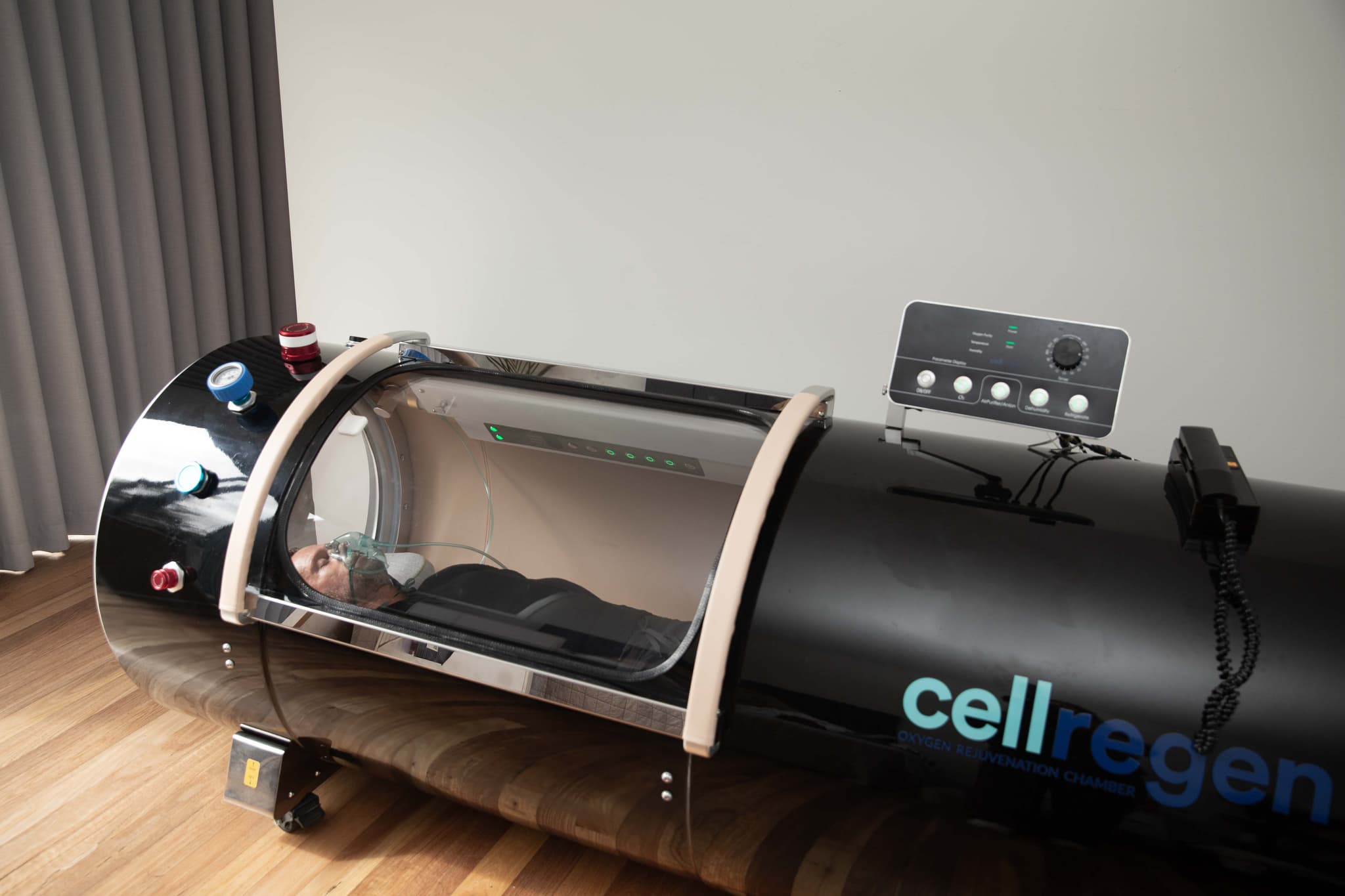
Introduction
When injury strikes, illness sets in, or the body simply refuses to heal at the pace you need, the search for better recovery methods becomes very real. For decades, doctors and researchers have explored advanced healing techniques that go beyond standard rest and medication. One therapy that has gained serious attention in both medical and wellness circles is Hyperbaric Oxygen Therapy or HBOT.
Once reserved for deep-sea divers and hospital burn units, HBOT has moved steadily into mainstream healthcare and wellness. Today, athletes use it to bounce back from injuries faster. People recovering from surgery use it to shorten healing timelines. Those managing chronic wounds and infections have found it a reliable tool when other treatments fall short.
But what exactly is HBOT? How does it help the body repair itself at a cellular level? And is it right for you?
This blog breaks it all down from the science behind hyperbaric oxygen therapy to practical information about mild HBOT, hyperbaric chamber benefits, and the growing popularity of oxygen therapy in Melbourne.
What is HBOT (Hyperbaric Oxygen Therapy)?
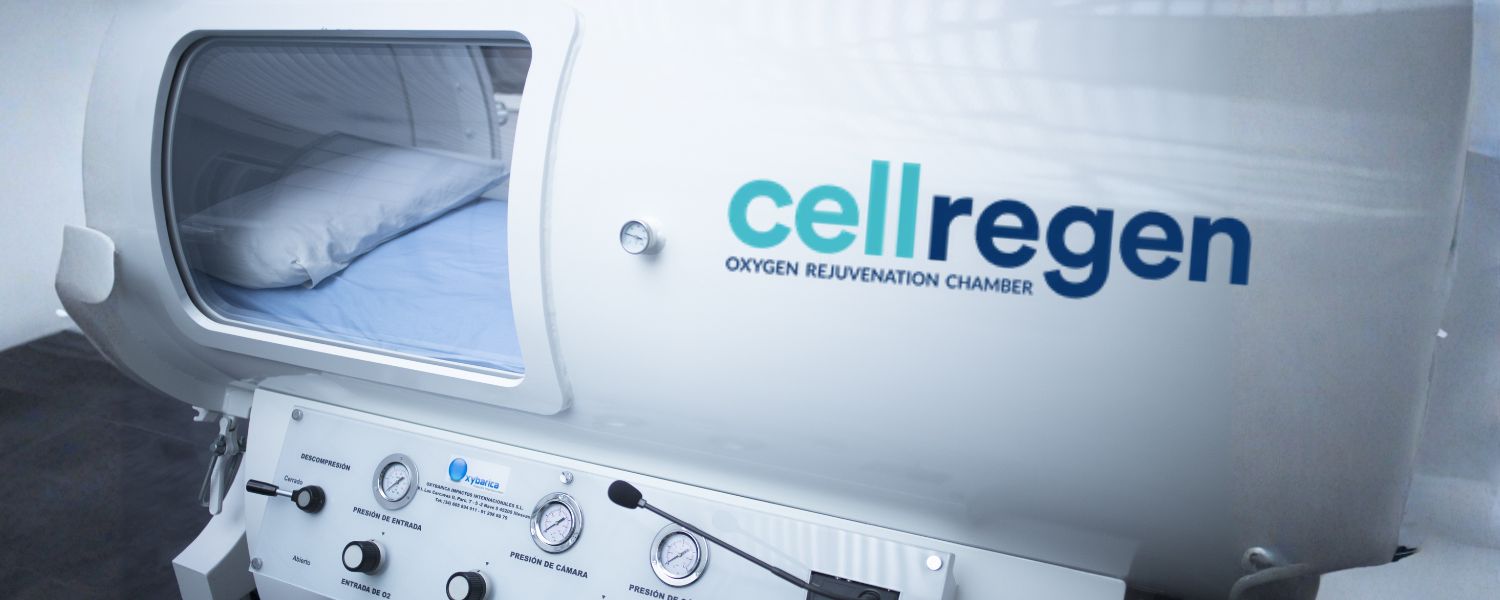
Hyperbaric Oxygen Therapy is a medical treatment in which a person breathes pure 100% oxygen inside a specially pressurised chamber. The air we breathe every day contains only about 21% oxygen. A pressurized chamber delivers oxygen at two to three times higher than normal air pressure, which helps your lungs gather and absorb more oxygen.
This matters because oxygen is the primary fuel behind nearly every healing process in the human body. When your tissues are damaged from injury, surgery, infection, or disease, they need significantly more oxygen than usual to carry out cellular repair. Standard breathing simply cannot deliver enough.
The combination of increasing pressure and the breathing of 100% oxygen causes large amounts of oxygen to transfer from the plasma into tissues, cells, organs, neurons, and bony structures. This is what makes HBOT fundamentally different from simply breathing through an oxygen mask at normal pressure.
The therapy has both medical and wellness applications, and healthcare providers use hyperbaric oxygen therapy alone or with other medical treatments, such as medications or surgery.
The Benefits of Hyperbaric Oxygen Therapy
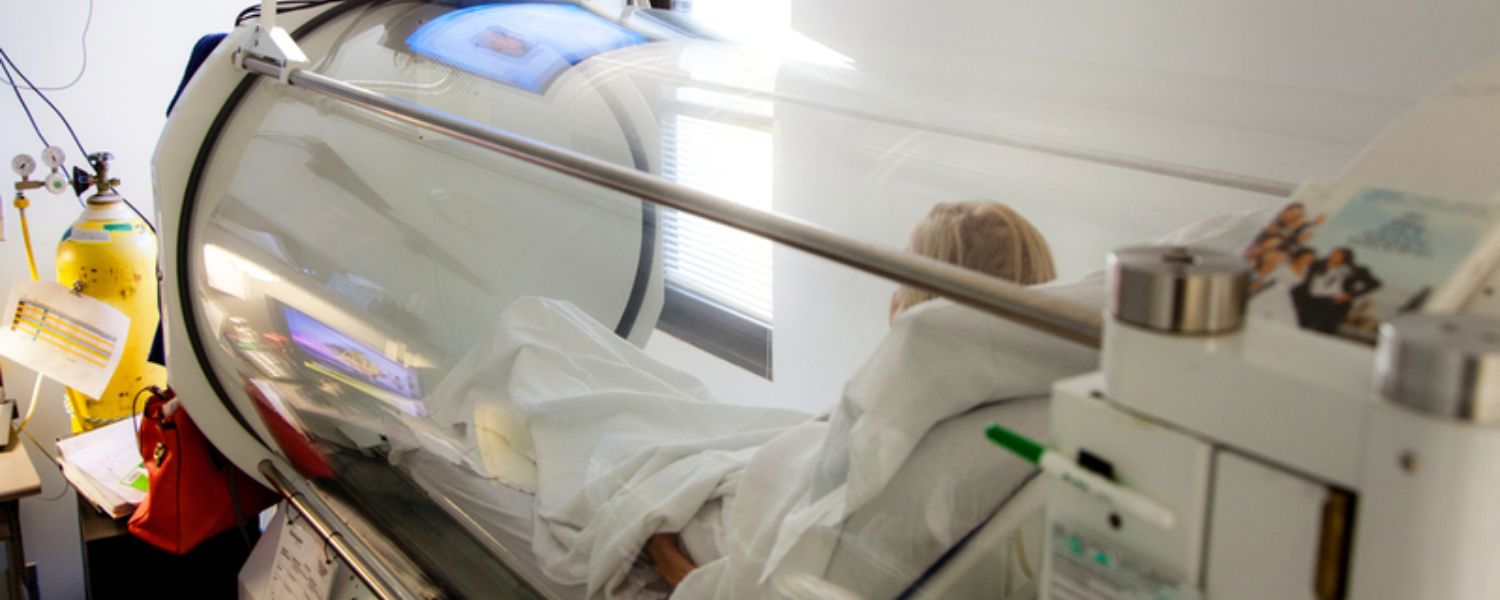
The benefits of HBOT stretch across physical recovery, immune function, inflammation control, and even cognitive health. Here is a clear breakdown of what the science says.
Faster Tissue Repair and Wound Healing
HBOT's current indications in conditions like wound healing, thermal or radiation burns, and tissue necrosis point to its function in facilitating the regeneration process. The therapy creates an environment where damaged tissues finally get the oxygen they have been lacking, triggering a cascade of biological repair processes.
Reduction of Inflammation
HBOT causes the body to take in about 15 times more oxygen, which reduces inflammation and speeds tissue repair, resulting in multiple benefits to the patient. For anyone dealing with chronic inflammation from injury or disease, this is a meaningful advantage.
Immune System Support
The hyperoxic environment is beneficial in elevating the natural immune response, as the immune cells involved in phagocytosis are dependent on oxygen for their function and get triggered in hyperoxic conditions to protect against infections.
Stem Cell Activation
One of the more remarkable findings in HBOT research involves stem cells. Patients who undergo hyperbaric oxygen therapy show an increase in stem cell production of up to 8 times, which leads to cell regeneration. Stem cells are the body's raw building material capable of becoming specialised cells needed for repair.
Cognitive and Neurological Benefits
HBOT showed a marked improvement in cognitive functions and neuronal health, which usually declines with aging. While research in this area continues to develop, early findings are promising for conditions involving brain health and nerve repair.
How Does HBOT Help with Tissue Repair?
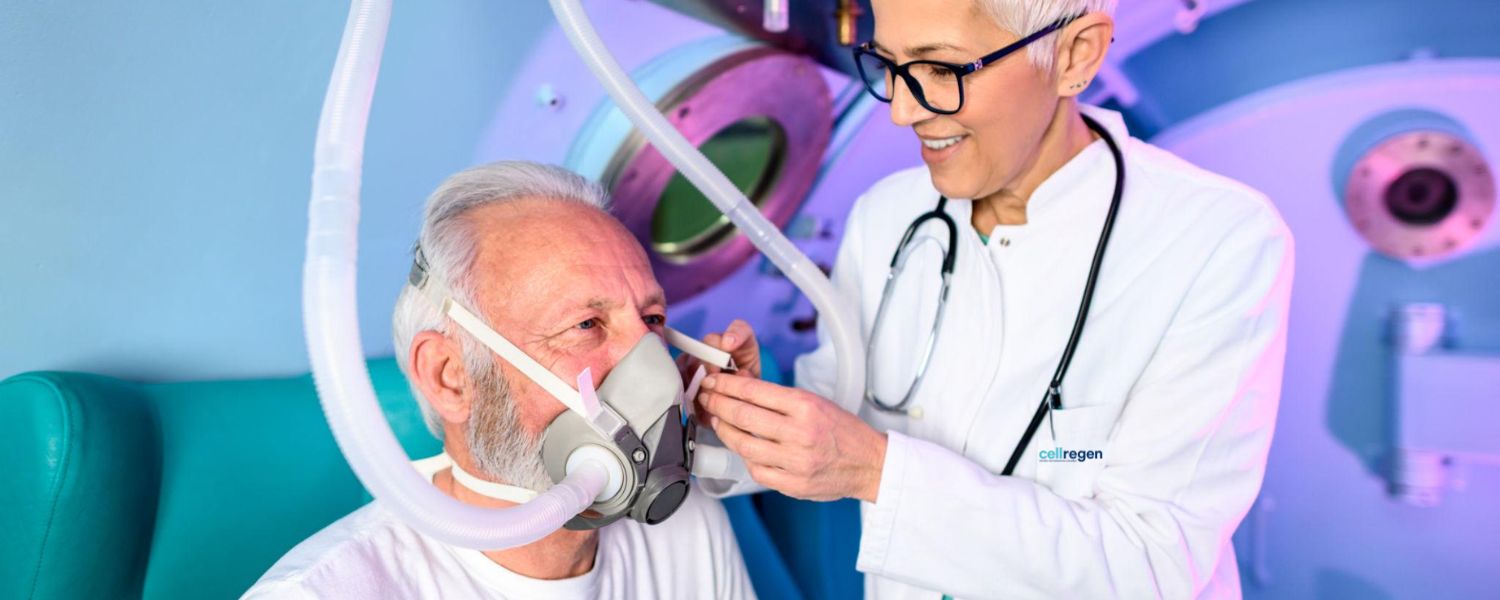
The mechanism behind HBOT's tissue-repairing power comes down to oxygen saturation, collagen production, and angiogenesis, the formation of new blood vessels.
Under normal conditions, oxygen travels through the body almost entirely via red blood cells. During HBOT, hyperbaric oxygen markedly elevates the dissolved oxygen levels in the blood by creating high-pressure and hyperoxic conditions within an enclosed environment. The elevation of dissolved oxygen under high-pressure conditions can enhance the oxygen levels in local wound tissue, including areas not reachable by red blood cells, thereby satisfying cellular oxygen requirements and accelerating tissue metabolic activity, thus facilitating wound healing.
Collagen Production
Collagen is the structural protein that literally holds your body together, found in skin, tendons, ligaments, muscles, and bone. HBOT has been shown to increase the expression of type I pro-collagen genes in tendon and ligament healing. Hyperoxia induced by HBOT activates the expression of growth factors for fibroblast activation, resulting in a significant increase in type I and type III collagen synthesis related to local nitric oxide production at the wound site during healing.
In simpler terms, HBOT signals the body to build more of the protein responsible for tissue strength and flexibility, precisely what is needed after injury.
New Blood Vessel Formation
Hyperbaric oxygen facilitates the healing and regeneration of injured tissues by stimulating angiogenesis and collagen production. New blood vessels mean better delivery of nutrients and oxygen to injured areas, sustaining the repair process long after a session ends.
Conditions That Benefit from HBOT
HBOT has demonstrated effectiveness across a wide range of injury types and medical conditions. These include non-healing diabetic wounds, burns, crush injuries, surgical wounds, radiation injuries, bone infections, skin grafts, carbon monoxide poisoning, and decompression sickness. Athletes dealing with sports injuries and muscle damage have also turned to HBOT as part of their recovery protocols.
What is Mild Hyperbaric Oxygen Therapy (mHBOT)?
Not every patient requires or can access clinical-grade high-pressure HBOT. This is where Mild Hyperbaric Oxygen Therapy, or mHBOT, has carved out an important role.
Mild Hyperbaric Oxygen Therapy involves the inhalation of purified air or pure oxygen while inside a pressurised chamber at a level slightly higher than atmospheric pressure. Unlike traditional hyperbaric oxygen therapy, which utilises higher pressures, mHBOT provides a gentler approach with a maximum pressure of 1.35 ATA, making it more accessible and comfortable for a broader range of individuals.
The key difference is the pressure level. Standard medical HBOT typically operates at 2 to 3 ATA, while mHBOT stays at 1.3 to 1.5 ATA, still enough to meaningfully boost oxygen absorption without requiring the same clinical setting.
At its core, mHBOT is designed to increase the oxygen supply to body tissues. As the atmospheric pressure rises within the chamber, the chemistry of oxygen exchange changes, increasing the concentration of oxygen in the bloodstream. This elevated oxygen saturation has a profound impact on cellular function, promoting healing and optimising several physiological processes.
For wellness and performance purposes, mHBOT is appealing because it is non-invasive, generally well-tolerated, and does not require a medical prescription in most wellness settings. Athletes and fitness enthusiasts are increasingly exploring mHBOT as a means to enhance physical performance. A study in the International Journal of Sports Medicine (2019) suggested that mHBOT may improve exercise performance by increasing oxygen availability to muscles, reducing oxidative stress, and accelerating recovery.
Hyperbaric Chamber Benefits
Stepping inside a hyperbaric chamber is a uniquely simple experience that delivers complex biological results.
Depending on the clinic or setup, chambers come in two main types. Single-user or monoplace chambers are designed for one person lying or sitting comfortably, while multiplace chambers can accommodate multiple patients simultaneously, often used in hospital settings. Soft-sided chambers are typically used in wellness settings for mHBOT, while hard-shell chambers are the standard in medical facilities.
The key hyperbaric chamber benefits include:
Improved Circulation: Experience significant enhancements in the circulation of blood and oxygen throughout your body, ensuring that every organ and tissue receives an ample supply of essential nutrients, improving blood flow and helping to remove waste products and toxins.
Pain Management: Many patients report a meaningful reduction in pain levels following a course of HBOT sessions. For those awaiting surgery, managing chronic conditions, or recovering from procedures, this is a significant quality-of-life benefit.
Collagen and Skin Health: Chronic inflammation is a major contributor to collagen breakdown and premature aging. HBOT has been shown to have anti-inflammatory properties, which can help protect existing collagen and promote the production of new collagen fibers.
Better Sleep and Mental Clarity: Many users report improved sleep quality and sharper mental focus after regular sessions, an area tied to the therapy's effects on neurological oxygenation.
The chamber experience itself is calm and comfortable. Most sessions allow patients to read, listen to music, rest, or even use a device while the pressurised environment does its work.
Oxygen Therapy Melbourne: A Growing Trend
Hyperbaric oxygen therapy Melbourne is growing in popularity as people seek natural ways to support wellbeing. What was once only available through hospital referrals has expanded into a network of dedicated wellness clinics, making oxygen therapy accessible to everyday Melburnians.
Fresh Treatments has been providing HBOT therapies for over 5 years and is known as a leading provider of hyperbaric oxygen treatments in Melbourne, located in Brunswick with state-of-the-art Airpod chambers.
ReGen Wellness Centre's Hyperbaric Oxygen Therapy in Melbourne harnesses the powers of oxygen and hydrogen to deliver transformative wellness benefits, including disease prevention, anti-ageing, recovery, and enhanced general wellbeing.
For those seeking medically supervised treatment, Bayside Health (Alfred) provides Hyperbaric Oxygen Therapy to people with decompression illness, non-healing wounds, and serious soft-tissue infections, caring for both inpatients and outpatients.
A hyperbaric oxygen therapy session costs between $50 and $145 in Melbourne at wellness clinics, with medical-grade sessions at facilities like NIIM available for more complex cases. The variety of options means Melburnians can access a session format suited to their health goals and budget.
Who Can Benefit from HBOT?
HBOT serves a remarkably broad range of people.
Athletes use it to accelerate recovery from muscle tears, joint injuries, and the cumulative physical stress of training and competition. Athletes may use HBOT to improve endurance, reduce muscle fatigue, and recover more quickly after intense workouts or competitions.
Post-surgical patients benefit from faster wound closure, reduced infection risk, and improved tissue integration — particularly those who have received skin grafts or experienced radiation-related tissue damage.
People with chronic conditions such as diabetic foot ulcers, bone infections, and non-healing wounds have found HBOT to be a meaningful adjunct to standard medical treatment.
Older adults often see strong benefits because the overall oxygen-carrying capacity and regenerative capacity diminish with age, and HBOT helps to compensate for this apparent lack of oxygen in vital processes of healing and regeneration.
Who Should Avoid HBOT?
HBOT is not suitable for everyone. It may be dangerous to receive if you have a collapsed lung, a lung disease that may increase your risk of a collapsed lung, such as COPD or emphysema, a fever, a recent ear injury, or have recently had ear surgery.
People with severe claustrophobia may also find certain chamber types challenging, though soft-sided mHBOT chambers tend to be more comfortable for this group. Always consult a qualified healthcare provider before beginning treatment.
What to Expect During an HBOT Session
Knowing what lies ahead makes the experience far less daunting.
Before your session, your healthcare provider or clinic team will review your medical history and any medications you take. You will be asked to remove items like lighters and avoid petroleum-based skin products for safety reasons inside the oxygen-rich environment.
Once you enter the chamber, pressure gradually increases — you may feel a slight sensation in your ears, similar to what you experience on an airplane during descent. This typically resolves quickly by swallowing or yawning to equalise.
Most people receive hyperbaric oxygen therapy on an outpatient basis for one to two hours each session. During that time, you simply breathe normally and relax. Many people read, nap, or listen to music.
At the end of the session, pressure is slowly and safely released before you exit. Most people feel refreshed and calm afterward. There is no recovery time required — you can typically drive and return to normal activities immediately.
The benefits of hyperbaric oxygen are cumulative. While some people notice results after one to two sessions, a series of 5 to 20 sessions is recommended for longer-term support and noticeable improvements. For medical conditions, your doctor may prescribe 20 to 40 or more sessions, depending on the severity.
Conclusion
HBOT healing and tissue repair represent one of the most scientifically grounded and clinically proven tools available in modern recovery medicine. By flooding the body with concentrated oxygen under pressure, HBOT triggers a chain reaction of biological processes from collagen synthesis and angiogenesis to inflammation reduction and stem cell activation that the body simply cannot achieve through rest alone.
Whether you are managing a chronic wound, recovering from surgery, pushing through athletic training, or simply looking to support your long-term health, the evidence behind hyperbaric oxygen therapy is clear and growing. And with oxygen therapy in Melbourne more accessible than ever, from wellness clinics to hospital-grade facilities, there is little reason to leave this powerful tool unexplored.
Ready to experience the benefits for yourself?
Speak with a qualified healthcare professional or wellness consultant to find out which HBOT protocol suits your needs. If you want the convenience of sessions at home or are looking to invest in your long-term recovery, explore the option to hyperbaric chamber buy through trusted medical equipment suppliers, bringing the power of HBOT directly to you.
Book your HBOT session now and start your recovery!
Frequently Asked Questions (FAQs)
What is Hyperbaric Oxygen Therapy (HBOT)?
Hyperbaric Oxygen Therapy is a treatment in which you breathe 100% pure oxygen inside a pressurised chamber. The increased pressure allows your lungs to absorb far more oxygen than normal, which is then delivered to tissues, organs, and cells throughout the body to support healing and recovery.
What are the benefits of HBOT for tissue repair?
HBOT promotes tissue repair by increasing oxygen availability to damaged areas, stimulating collagen production, reducing inflammation, encouraging new blood vessel growth, and activating stem cells. These combined effects accelerate the healing of wounds, injuries, burns, surgical sites, and chronic conditions where tissue has broken down.
How does HBOT promote healing?
HBOT dissolves oxygen directly into blood plasma, not just red blood cells, allowing it to reach areas with poor circulation or severe damage. This extra oxygen powers cellular repair, supports immune function, helps rebuild structural proteins like collagen, and signals the body to generate new blood vessels, all of which are fundamental to the healing process.
Is Mild Hyperbaric Oxygen Therapy (mHBOT) effective for healing?
Yes. While mHBOT operates at lower pressures than clinical HBOT, it still meaningfully increases oxygen absorption. Research supports its use for reducing inflammation, supporting exercise recovery, improving circulation, and promoting general wellness. It is particularly valued for its accessibility, comfort, and safety profile, making it suitable for a wider population, including athletes, older adults, and those seeking non-medical wellness support.