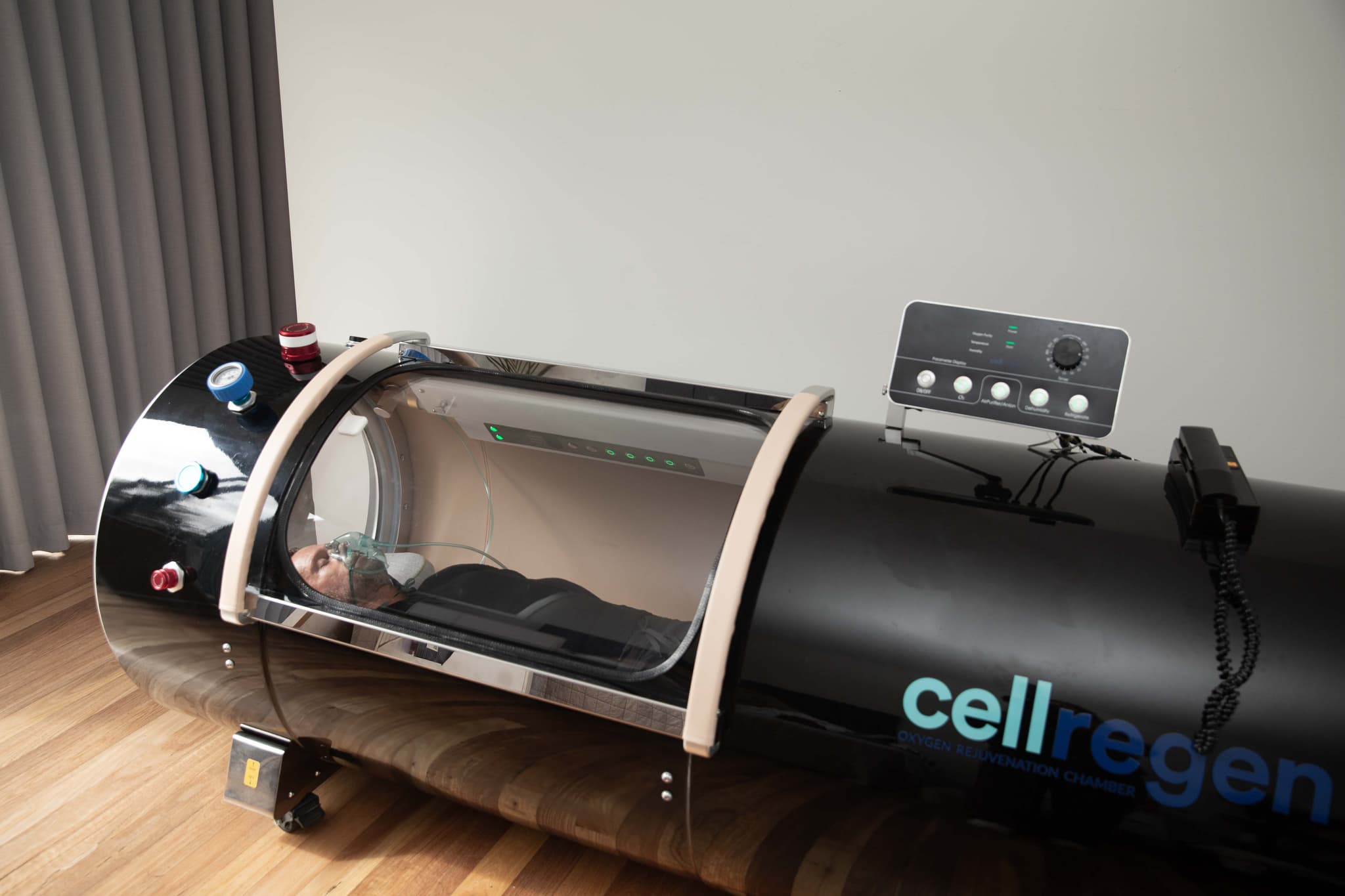
A Clear Look at Oxygen Therapy in Everyday Use
Over the past decade, hyperbaric oxygen therapy has become more widely recognised beyond hospital settings. What was once limited to specialised medical environments is now being explored in a more accessible way through mild hyperbaric oxygen therapy, or mHBOT.
At Cellregen, we work with individuals, families, and clinics across Australia to help integrate mHBOT into everyday life. Rather than being used occasionally, it is most effective when approached as part of a consistent routine that supports recovery and overall wellbeing.
What Is Hyperbaric Oxygen Therapy?
Hyperbaric oxygen therapy involves breathing oxygen inside a pressurised chamber. Under increased pressure, oxygen is able to dissolve more easily into the body’s fluids, rather than relying solely on red blood cells for transport.
This allows oxygen to reach areas where circulation may be reduced. Because oxygen is essential to how the body produces energy and maintains tissue, this increased availability can support the body’s natural processes.
While this approach has been used clinically for specific conditions, it has also led to growing interest in how oxygen can support the body more broadly.
Mild Hyperbaric Oxygen Therapy Compared to Clinical HBOT
It is important to distinguish between clinical hyperbaric oxygen therapy and mild hyperbaric oxygen therapy, as they serve different purposes.
Clinical HBOT is delivered in hospital or specialist settings at higher pressures and is used for specific medical conditions under supervision.
Mild hyperbaric oxygen therapy operates at lower pressures and is designed for regular use in home or wellness environments. It does not replace clinical treatment, but instead offers a more practical way to support the body consistently over time.
This difference is central to how mHBOT is used. It is not about intensity, but about consistency.
How Oxygen Supports the Body
Oxygen plays a fundamental role in nearly every system in the body. It is required for cellular energy production, which supports movement, cognitive function, and tissue maintenance.
When oxygen availability is reduced, these processes can become less efficient. By increasing the amount of oxygen available, mHBOT may help support how the body responds to physical strain, stress, and recovery demands.
This is why oxygen therapy continues to be explored in both clinical research and wellness settings.
How mHBOT Fits Into a Routine
One of the main advantages of mild hyperbaric oxygen therapy is that it can be used consistently without the need for clinic visits.
This allows it to become part of a regular routine, much like other recovery or wellness practices. Over time, this consistency is what tends to provide the most value.
At Cellregen, we have supported more than 120 installations across Australia. In most cases, the people who benefit most are those who use it regularly and with clear expectations.
What to Expect From a Session
A typical mHBOT session is straightforward and designed to be comfortable.
You enter the chamber, either seated or lying down, and the pressure increases gradually. Once the chamber reaches the intended pressure, you remain inside for approximately 60 to 90 minutes.
Most people use this time to rest, read, or take a break from their day. The experience is generally calm and non-invasive, which makes it easier to maintain over time.
Understanding the Benefits in a Practical Way
It is important to approach mHBOT with a balanced perspective. Rather than expecting immediate or dramatic results, it is more useful to consider how it may support the body over time.
People often explore mHBOT to support recovery after physical activity, maintain energy levels, or complement other aspects of their health routine. The effects are typically cumulative, which is why consistency is more important than occasional use.
Choosing the Right Approach
If you are considering mild hyperbaric oxygen therapy, the most important factor is how it will fit into your life.
This includes considering your available space, how often you intend to use it, and the type of chamber that suits your needs. It is also important to have clear guidance on how to use the system safely and effectively.
Working with a provider who focuses on education and ongoing support can make a significant difference in how successfully it is integrated.
Safety and Considerations
Mild hyperbaric oxygen therapy is generally considered low risk when used appropriately. However, it is still important to follow correct usage guidelines and seek advice if you have any underlying health conditions.
Understanding how to use the chamber correctly, including pressurisation and session frequency, is essential for both safety and long-term benefit.
At Cellregen, we place a strong emphasis on ensuring clients feel informed and confident before they begin.
Why More Australians Are Choosing Cellregen
As interest in oxygen therapy continues to grow, more people are looking for options that are practical and supported by clear guidance.
At Cellregen, our approach focuses on education, realistic expectations, and long-term use. We support clients not just in choosing a system, but in understanding how to use it consistently over time.
This allows mHBOT to become part of a broader, sustainable approach to health and recovery.
Is mHBOT Right for You?
Mild hyperbaric oxygen therapy is not intended to replace other aspects of health and wellbeing. Instead, it works best when used alongside other supportive practices such as movement, nutrition, and recovery strategies.
For those looking to take a more consistent approach to supporting their body, it may be a valuable addition when used with the right expectations.
Speak With the Cellregen Team
If you would like to explore how mild hyperbaric oxygen therapy could fit into your routine, the team at Cellregen can guide you through your options.
We can help you understand how it works, what to expect, and how to choose a setup that aligns with your lifestyle.
Starting with the right information makes it much easier to build something that is both effective and sustainable over time.
FAQs
What is hyperbaric oxygen therapy?
Hyperbaric oxygen therapy involves breathing oxygen inside a pressurised chamber, which allows the body to absorb more oxygen than it would under normal conditions.
What is mild hyperbaric oxygen therapy?
mHBOT is a lower-pressure form of hyperbaric oxygen therapy designed for regular use in home or wellness settings.
How is mHBOT different from clinical HBOT?
Clinical HBOT uses higher pressures in medical environments for specific conditions, while mHBOT uses lower pressures and is designed for consistent use.
How long is a typical session?
Most sessions last between 60 and 90 minutes, depending on individual preference and usage.
Is mHBOT safe?
When used correctly and with appropriate guidance, mHBOT is considered low risk. It is important to follow proper usage instructions and seek advice if needed.