Introduction
We live in a world where everyone is searching for that one secret to younger, healthier, and more glowing skin. From serums to laser treatments, the beauty and wellness industry keeps pushing boundaries. But one therapy that has been quietly gaining ground not just in hospitals but in wellness clinics and beauty centers is Hyperbaric Oxygen Therapy, or HBOT.
Once considered a treatment reserved for deep-sea divers suffering from decompression sickness, HBOT has found a whole new audience. Today, more and more people are turning to hyperbaric oxygen therapy for skin as a natural, science-backed way to rejuvenate their appearance. Whether you're dealing with dull skin, slow healing after a procedure, or simply want to slow down the signs of aging, HBOT might just be the answer you've been looking for.
What is Hyperbaric Oxygen Therapy (HBOT)?
At its core, Hyperbaric Oxygen Therapy is a medical treatment where you breathe in pure oxygen inside a pressurized chamber. The air pressure inside the chamber is raised to about two to three times higher than normal atmospheric pressure. Under these conditions, your lungs can take in far more oxygen than they normally would.
This extra oxygen gets absorbed into your blood and travels throughout your entire body, including your skin. Normally, oxygen is carried only by red blood cells. But under higher pressure, oxygen also dissolves directly into your blood plasma, lymph fluid, and other bodily fluids. This means oxygen reaches areas that are poorly supplied by blood tissues that are damaged, inflamed, or slow to heal.
From a skin health perspective, this flood of oxygen does something remarkable. It triggers the body's natural repair mechanisms. Cells wake up, collagen production kicks in, inflammation calms down, and the healing process accelerates. The results on the skin can be genuinely impressive.
The Benefits of Hyperbaric Oxygen Therapy for Skin
Let's talk about what most people actually want to know: what does HBOT do for your skin?
1. Boosts Collagen Production Collagen is the protein responsible for keeping skin firm, plump, and youthful. As we age, our bodies produce less of it. HBOT stimulates fibroblasts, the cells responsible for producing collagen, leading to firmer, smoother skin over time.
2. Reduces Fine Lines and Wrinkles. With more collagen in the picture, the skin naturally starts to appear more youthful. Fine lines soften, and wrinkles become less pronounced after a series of HBOT sessions. It's not an overnight miracle, but consistent treatment shows real results.
3. Improves Skin Hydration. Oxygen-rich blood flow supports the skin's moisture barrier. When skin cells are well-oxygenated, they function better and hold moisture more effectively. This translates to a healthier, more hydrated complexion.
4. Speeds Up Wound and Scar Healing Whether it's post-surgery scars, acne marks, or other skin injuries, HBOT accelerates the healing process. It promotes new tissue growth and reduces the appearance of scars by helping the skin regenerate properly.
5. Reduces Inflammation and Redness. Chronic skin inflammation, whether from conditions like rosacea, eczema, or environmental damage, responds well to oxygen therapy. HBOT calms inflammatory responses at the cellular level, giving skin a calmer, more even tone.
6. Fights Free Radical Damage Although it might seem counterintuitive, the increased oxygen from HBOT actually boosts the body's antioxidant defenses, helping fight the oxidative stress that contributes to premature skin aging.
Mild Hyperbaric Oxygen Therapy vs. Medical Grade HBOT Solutions
Not all hyperbaric oxygen therapy is the same, and it's worth understanding the difference before you decide which route to take.
Medical Grade HBOT Solutions are used in clinical settings, hospitals, specialty clinics, and involve chambers that pressurize to 2.0 to 3.0 atmospheres (ATA). These are prescribed by doctors for serious medical conditions like chronic wounds, carbon monoxide poisoning, radiation injuries, and more. The oxygen concentration used is 100%, and the sessions are closely supervised by medical professionals.
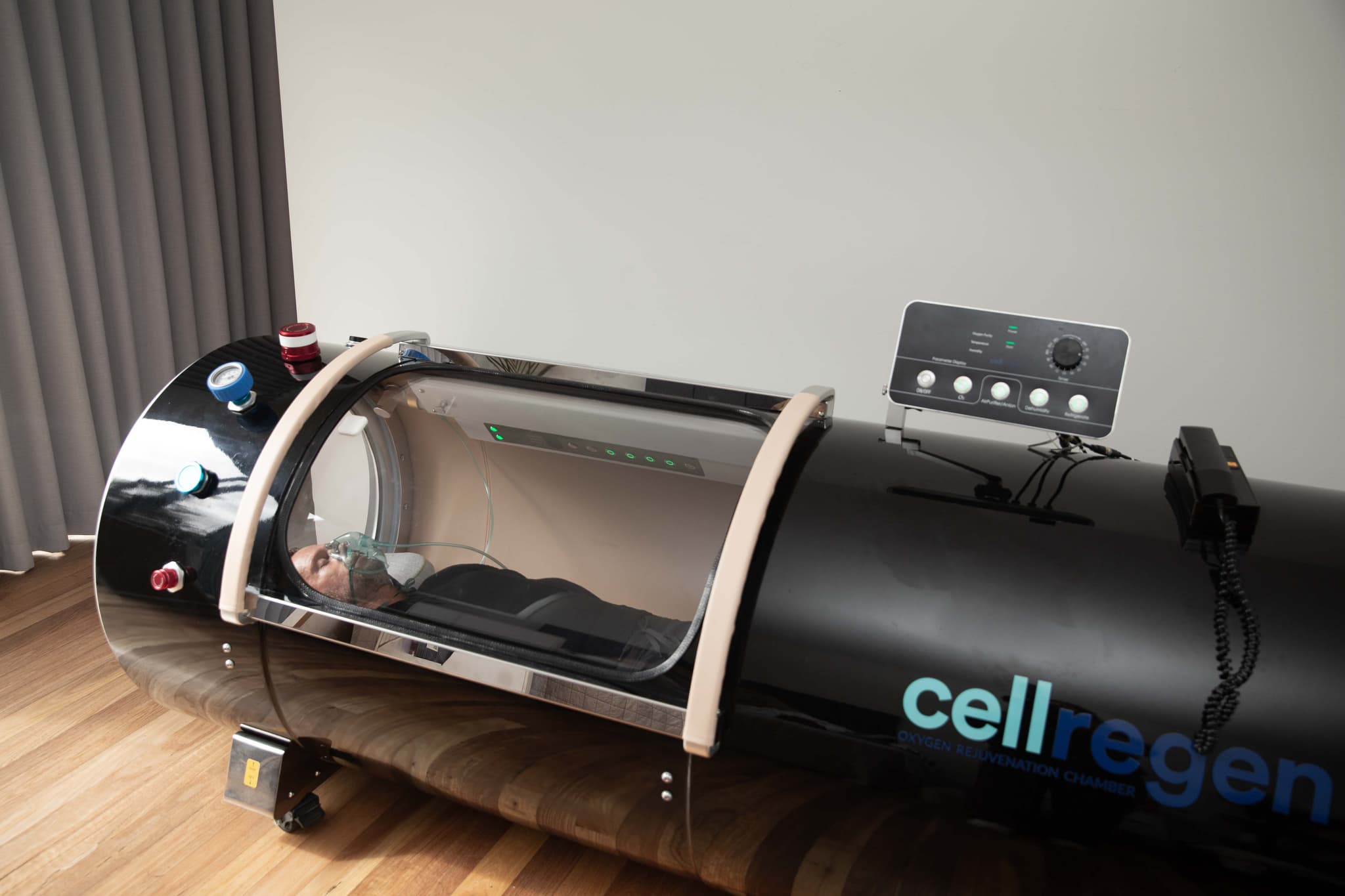
Mild Hyperbaric Oxygen Therapy, on the other hand, operates at lower pressures, typically between 1.3 and 1.5 ATA. These softer-sided chambers are more commonly found in wellness centers, spas, and even homes. They usually use ambient air or slightly enriched oxygen concentrations. While they don't reach the same therapeutic intensity as medical-grade chambers, mild HBOT is widely used for general wellness, athletic recovery, anti-aging, and skin rejuvenation.
For purely cosmetic and skin-focused goals, mild HBOT is often sufficient and far more accessible. However, for people dealing with serious skin conditions or post-surgical healing, medical-grade HBOT solutions offer deeper, more targeted treatment.
How HBOT Promotes Skin Healing
When oxygen floods the skin tissues at higher concentrations, the results happen at a cellular level. Here's what actually goes on under the surface:
Your skin cells, particularly those responsible for repair, become dramatically more active. Stem cells are released from bone marrow and travel to damaged areas. New blood vessels form through a process called angiogenesis, improving long-term circulation to the skin. Bacteria that thrive in low-oxygen environments are suppressed, reducing infection risk and allowing healing to proceed uninterrupted.
For aging skin, this means the repair systems that slow down over the years get a powerful jumpstart. Cells that had become sluggish start to function more like younger cells. Elastin fibers, which give skin its bounce and elasticity, are also supported through better oxygen delivery.
In short, HBOT creates an internal environment where skin healing is optimized, not just masked by surface treatments.
What to Expect During a Hyperbaric Oxygen Therapy Session
If you've never tried HBOT before, the process can feel a little unfamiliar at first. Here's a simple walkthrough:
You'll enter a chamber, either a large hard-sided unit (common in medical settings) or a softer, more compact unit (common in wellness centers). You'll lie down comfortably. If it's a medical-grade setup, you may wear a mask or be inside a fully sealed chamber where the entire environment is oxygenated.
As the pressure slowly increases, you might notice a sensation similar to the pressure you feel when a plane takes off or when you descend underwater. Swallowing or yawning typically helps equalize the pressure in your ears.
Sessions generally last between 60 to 90 minutes. Most people feel relaxed during the session, and some even fall asleep. Afterward, you might feel a slight sense of energy or lightness. There's no downtime, and you can go about your day as normal.
For skin rejuvenation goals, a series of sessions is usually recommended, anywhere from 10 to 40 sessions, depending on the condition being addressed and the type of HBOT being used.
Mild Hyperbaric Oxygen Therapy Benefits
Mild HBOT has become especially popular for people who want the skin benefits of oxygen therapy without the clinical intensity of full medical-grade treatment. The mild hyperbaric oxygen therapy benefits include:
A gentler experience with fewer risks of side effects
Easier access through wellness centers and some private clinics
No need for a prescription or medical referral in most cases
Suitable for general anti-aging, skin glow, and recovery from cosmetic procedures
Shorter session times and more flexible scheduling
An option for those who feel claustrophobic in hard-sided chambers, as softer units tend to be more spacious and less intimidating
Mild hyperbaric oxygen therapy is a great starting point for anyone curious about HBOT who isn't dealing with a clinical condition but simply wants to invest in their skin health and overall wellness.
Are There Any Side Effects of HBOT for Skin?
HBOT is considered safe for the vast majority of people, but like any therapy, it comes with a few things to be aware of.
The most common side effect is ear or sinus discomfort due to pressure changes similar to what you feel on an airplane. This is usually mild and temporary.
In medical-grade settings at higher pressures, there is a small risk of oxygen toxicity if sessions are too long or pressures are too high. This is why medical HBOT is always supervised by trained professionals.
Some people may experience temporary blurry vision, which typically resolves after treatment ends. Others might feel lightheaded or fatigued initially, especially during the first few sessions.
For mild HBOT at lower pressures, the risk profile is even more minimal. That said, it's always wise to speak with your doctor before starting any new therapy, especially if you have a history of lung conditions, ear problems, or recent surgery.
How to Find the Right HBOT Treatment Provider
Choosing the right provider matters a great deal. Here are some things to look for:
Check that the facility is staffed by trained professionals who can walk you through the process and answer your questions. Look for centers that use certified equipment and follow established safety protocols. Read reviews and ask for patient testimonials, particularly from people who used HBOT for skin-related goals. If you're considering medical-grade HBOT, ensure the clinic is licensed and the treatment is overseen by a qualified medical professional. For mild HBOT for wellness purposes, look for centers that offer a proper consultation before your first session.
Transparency is key. A reputable provider will be upfront about what results you can realistically expect and how many sessions might be needed.
Conclusion: Rejuvenate Your Skin with Hyperbaric Oxygen Therapy
Hyperbaric Oxygen Therapy is no longer just a niche medical treatment. It has grown into a genuine option for anyone serious about skin health, rejuvenation, and long-term wellness. From stimulating collagen production and fighting inflammation to accelerating wound healing and improving hydration, the hyperbaric oxygen therapy benefits for skin are wide-ranging and backed by real science.
Whether you choose mild hyperbaric oxygen therapy for accessible, everyday skin wellness or explore medical-grade HBOT solutions for deeper clinical results, the core principle remains the same: give your skin the oxygen it needs to repair, regenerate, and thrive.
If you're in Australia and looking to explore this treatment, there are now excellent options for hyperbaric oxygen chamber Australia wide, with reputable providers offering both clinical and wellness-focused HBOT programs. The key is to do your research, consult a professional, and commit to a consistent treatment plan. Your skin can renew itself; sometimes it just needs a little oxygen-powered push.
Contact us today to start your skin rejuvenation!
Frequently Asked Questions (FAQ)
What is Hyperbaric Oxygen Therapy?
Hyperbaric Oxygen Therapy (HBOT) is a treatment where a person breathes pure or high-concentration oxygen inside a pressurized chamber. The increased pressure allows more oxygen to be absorbed into the blood and tissues, supporting healing and cellular repair throughout the body, including the skin.
How does HBOT benefit the skin?
HBOT improves skin health by boosting collagen production, enhancing hydration, reducing inflammation, accelerating wound and scar healing, and stimulating cell regeneration. The result is firmer, brighter, and more youthful-looking skin over time.
Is there a difference between mild HBOT and medical-grade HBOT?
Yes. Medical-grade HBOT uses higher pressures (2.0–3.0 ATA) and 100% pure oxygen in a clinical setting, primarily for serious medical conditions. Mild HBOT uses lower pressures (1.3–1.5 ATA) and is widely used in wellness settings for skin rejuvenation, anti-aging, and general recovery. Both are effective but serve different needs and intensities.
How many sessions of HBOT are needed to see results?
It depends on your skin goals and the type of HBOT used. For general skin rejuvenation and anti-aging purposes, many practitioners recommend a series of 10 to 20 sessions. For more significant healing goals, such as post-surgical recovery or treating chronic skin conditions, 30 to 40 sessions or more may be recommended. Results can sometimes be noticed after just a handful of sessions, but consistent treatment delivers the best outcomes.