1. Introduction
When the body is injured or dealing with a chronic condition, it needs one thing above all else, oxygen. Every single cell in your body depends on oxygen to function, repair, and survive. Yet in many cases of illness, injury, or post-surgical recovery, blood flow is restricted, and oxygen simply cannot reach the tissues that need it most.
This is exactly where Mild Hyperbaric Oxygen Therapy, commonly known as mHBOT, steps in.
mHBOT is not a new concept. It has been used in medical settings for decades, originally developed to treat deep-sea divers suffering from decompression sickness. Over time, researchers and doctors discovered that this therapy had a much wider range of applications, from healing stubborn wounds to supporting recovery after intense athletic performance.
Today, mild hyperbaric treatment benefits are recognised across a broad spectrum of health conditions. Whether you are recovering from surgery, managing a sports injury, dealing with chronic fatigue, or simply looking to support your body's natural healing process, mHBOT has emerged as a powerful, non-invasive option worth understanding.
This blog breaks down everything you need to know about mHBOT, what it is, how it works, what conditions it treats, and why more and more people are turning to it as part of their overall wellness plan.
2. What Is Mild Hyperbaric Oxygen Therapy (mHBOT)?
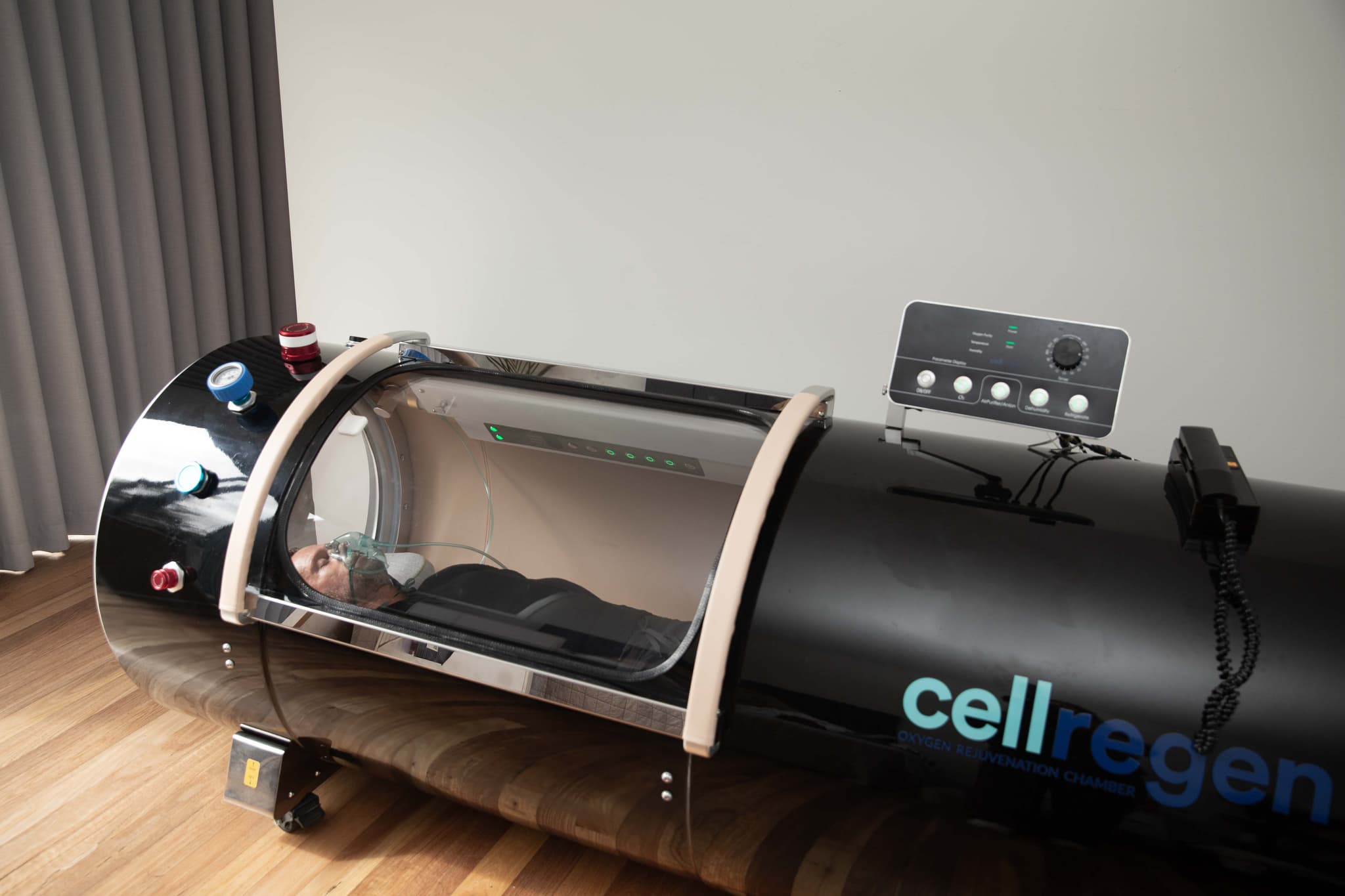
At its core, Mild Hyperbaric Oxygen Therapy is a treatment in which a person breathes in 90-95% oxygen inside a pressurised chamber. The air pressure inside the chamber is raised to about two to three times higher than normal atmospheric pressure (1.3 ATA - 2.0 ATA).
Under these conditions, your lungs are able to take in far more oxygen than they would under normal circumstances. This oxygen-rich blood then travels throughout the entire body, reaching areas where circulation may be poor or restricted.
The science behind it is straightforward. Normally, oxygen is carried through the body by red blood cells. But under hyperbaric pressure, oxygen dissolves directly into all body fluids, including the plasma, cerebrospinal fluid, and lymph nodes. This allows oxygen to reach damaged tissues, bones, and even areas with limited blood supply.
Sessions typically take place in a specially designed hyperbaric chamber, which can either be a monoplace unit (designed for one person) or a multiplace unit (which accommodates 1-4 people at once). Each session usually lasts between 60 to 90 minutes, and a full course of treatment can range from a few sessions to several weeks, depending on the condition being treated.
3. Hyperbaric Chamber Benefits
The mild hyperbaric chamber benefits extend well beyond simple oxygen delivery. When the body is consistently supplied with elevated levels of oxygen in a pressurised environment, it triggers a remarkable cascade of healing responses.
Enhanced Tissue Repair: Increased oxygen stimulates the growth of new blood vessels, a process known as angiogenesis. This means that damaged tissues receive better blood supply long after the session ends.
Reduced Inflammation: One of the most widely reported mild hyperbaric chamber benefits is its ability to significantly reduce inflammation. Swelling and inflammatory responses are natural parts of healing, but when they become chronic, they can slow recovery. mHBOT helps bring inflammation under control.
Stronger Immune Response: Elevated oxygen levels improve the ability of white blood cells to fight off bacteria and infection. This is particularly important for individuals dealing with chronic infections or compromised immune systems.
Better Mental Clarity: Many patients report improved focus, reduced brain fog, and better cognitive function after completing a course of mHBOT. Research suggests this is linked to increased oxygen delivery to brain tissues.
Faster Recovery: Whether from surgery, illness, or physical training, the hyperbaric chamber benefits include notably shorter recovery windows for many patients.
4. mHBOT for Healing and Tissue Repair
One of the most powerful and well-documented uses of mHBOT is in healing and tissue repair. The therapy has been extensively studied for its role in accelerating recovery from a wide range of physical conditions.
Sports Injuries: Athletes have increasingly turned to mHBOT to speed up recovery from muscle tears, ligament damage, and fractures. By flooding injured tissues with oxygen, the body can rebuild faster, reducing downtime significantly.
Post-Surgery Recovery: After surgical procedures, the body undergoes significant stress. Tissues are cut, blood vessels are disrupted, and the healing process needs all the support it can get. mHBOT for healing and tissue repair is particularly effective here, promoting faster closure of surgical wounds and reducing the risk of post-operative infections.
Chronic Wounds: For diabetic patients or individuals with circulatory issues, wounds on the feet and legs can take months to heal or sometimes refuse to heal at all. mHBOT has been shown to dramatically improve outcomes in chronic wound management by restoring oxygen supply to these oxygen-starved tissues.
Radiation-Related Tissue Damage: Cancer patients who have undergone radiation therapy sometimes experience tissue damage in surrounding areas. mHBOT helps regenerate these tissues and improve their long-term health and function.
5. Mild Hyperbaric Oxygen Therapy
Not all hyperbaric oxygen is the same. While standard HBOT is conducted at pressures between 2.0 and 3.0 ATA and is typically used in hospital settings, Mild Hyperbaric Oxygen Therapy operates at lower pressures, usually between 1.3 and 2.0 ATA and is typically used at home or in wellness clinics.
mHBOT is often carried out in portable soft shell chambers or hard shell chambers, making it more accessible and suitable for home users and wellness centres and clinics.
Who Can Benefit from mHBOT?
Mild Hyperbaric Oxygen Therapy is well-suited for:
People looking to support general wellness and recovery
Athletes seeking faster muscle recovery after training
Individuals dealing with fatigue, mild inflammation, or stress
Those who want to complement existing treatments without the intensity of a full hospital grade HBOT chamber
While mHBOT may not be appropriate for severe medical conditions requiring higher pressures, it still delivers meaningful benefits. Improved energy levels, better sleep quality, reduced muscle soreness, and a general sense of well-being are commonly reported by people who undergo mHBOT regularly.
6. How Does mHBOT Enhance the Healing Process?
The healing power of mHBOT lies in its ability to address the root cause of slow recovery, oxygen deprivation in damaged tissues.
When you are injured or ill, blood vessels around the affected area often become damaged or constricted. This reduces oxygen delivery to the very cells that are working to repair themselves. Without adequate oxygen, the healing process stalls.
mHBOT breaks this cycle. By dramatically increasing the amount of dissolved oxygen in the bloodstream, it allows oxygen to diffuse into tissues even when blood flow is compromised. This supports several key biological processes:
Collagen production is stimulated, which is essential for wound closure and tissue strength
Stem cell mobilization is increased, encouraging the body to send repair cells to damaged areas
New blood vessel formation is triggered, ensuring long-term improvement in circulation to previously damaged regions
Bacterial elimination is enhanced, as many harmful bacteria cannot survive in oxygen-rich environments
All of these mechanisms work together to create an accelerated healing environment that the body simply cannot achieve on its own in a compromised state.
7. Conditions Treated with Hyperbaric Therapy
mHBOT is used to support a wide variety of medical and wellness conditions. Some of the most commonly treated include:
Diabetic foot ulcers and non-healing wounds
Carbon monoxide poisoning
Decompression sickness (the bends)
Radiation injury from cancer treatment
Serious infections such as necrotizing fasciitis
Bone infections (osteomyelitis)
Traumatic brain injury and concussion recovery
Chronic fatigue syndrome
Fibromyalgia
Stroke rehabilitation support
Autism spectrum disorder (used as a complementary approach)
Long COVID symptoms and post-viral fatigue
General muscle recovery and sports performance
It is important to note that while mHBOT has strong clinical evidence for certain conditions, research is still ongoing for others. Always consult with a qualified medical professional before starting any course of mHBOT.
8. Safety and Side Effects of Hyperbaric Oxygen Therapy
A common question people ask is: Is mHBOT safe?
The short answer is yes - when you receive the correct training and protocols, mHBOT has a strong safety record. However, like any medical treatment, it comes with considerations worth understanding.
Possible Side Effects:
Ear and sinus pressure: The most common side effect is a feeling of fullness or pressure in the ears, similar to what you feel on an airplane. This is usually mild and temporary.
Temporary vision changes: Some patients notice slight changes in vision during a course of treatment, but this typically resolves after sessions end.
Oxygen toxicity: In rare cases, breathing very high levels of oxygen at elevated pressures for extended periods can cause oxygen toxicity affecting the lungs or central nervous system. This risk is minimized through careful session management.
Claustrophobia: Some individuals may feel uncomfortable inside an enclosed chamber. mHBOT chambers are more spacious, with large windows and can ease this concern.
Who Should Avoid mHBOT?
People with certain lung conditions, recent ear surgery, or untreated pneumothorax (collapsed lung) should not undergo mHBOT without medical clearance. Always disclose your full medical history to your provider before beginning treatment.
When people or staff have been properly trained and protocols are followed, the majority of people tolerate mHBOT very well and report feeling relaxed and refreshed after each session.
9. Conclusion
Mild Hyperbaric Oxygen Therapy is one of the most fascinating and effective healing tools available in modern medicine. From accelerating wound healing and tissue repair to reducing inflammation and supporting recovery from complex conditions, the hyperbaric treatment benefits are both broad and well-supported by growing research.
Whether you choose a hospital grade HBOT chamber or opt for the more accessible mild hyperbaric oxygen therapy, the principle remains the same: give your body the oxygen it needs to heal faster and perform better.
If you are in Australia and want to explore these benefits for yourself, there are reputable clinics offering sessions in a mild hyperbaric oxygen chamber that can guide you through a safe and personalised treatment plan. Consulting with a qualified healthcare provider is the best first step to determine whether mHBOT is right for your specific needs and health goals.
Healing is not just about treating symptoms. It is about giving the body the right conditions to repair itself, and oxygen, delivered in the right way, can make all the difference.
Book Your mHBOT Session Today!
FAQ Section
1. What are the main benefits of Mild Hyperbaric Oxygen Therapy (HBOT)?
A. The main hyperbaric treatment benefits include faster wound healing, reduced inflammation, improved immune function, better tissue repair, enhanced cognitive clarity, and faster recovery from surgery, injury, or illness. Athletes also use it to speed up muscle recovery and improve physical performance.
2. How long does a typical mHBOT session last?
A. A standard mHBOT session usually lasts between 60 to 90 minutes. The total number of sessions recommended depends on the condition being treated - some acute conditions may require fewer sessions, while chronic conditions might involve 20 to 40 sessions over several weeks.
3. Can Mild Hyperbaric Oxygen Therapy help with chronic pain?
A. Yes, many patients with chronic pain conditions such as fibromyalgia, chronic fatigue syndrome, and inflammatory disorders have reported meaningful relief after completing a course of mHBOT. The therapy works by reducing chronic inflammation and improving oxygen supply to tissues that contribute to pain signals.
4. Is there a difference between standard HBOT and mild HBOT?
A. Yes. Standard HBOT is performed at higher pressures (2.0–3.0 atmospheres) in rigid clinical chambers and is used for serious medical conditions. Mild Hyperbaric Oxygen Therapy uses lower pressures (1.3–2.0 atmospheres) and is typically offered in softer, more accessible chambers. Mild HBOT is suited for general wellness, athletic recovery, and complementary health support, while standard HBOT is prescribed for more specific medical conditions.