1. Introduction: What is Hyperbaric Oxygen Therapy (HBOT)?
Have you ever heard the term Mild Hyperbaric Oxygen Therapy vs Hyperbaric Oxygen Therapy and wondered what the difference actually is? You're not alone. As more people across Australia explore wellness and recovery options, hyperbaric oxygen therapy is becoming a popular topic of conversation, in clinics, wellness centres, and even at home.
At its core, hyperbaric oxygen therapy involves breathing oxygen inside a pressurised environment. The idea is that when air pressure is increased, your lungs can take in more oxygen than they would at normal atmospheric pressure. This oxygen then travels through your bloodstream and reaches tissues throughout your body.
But here's where many people get confused, there are two main types of this therapy: Hospital HBOT and Mild HBOT. While they share some similarities, they are quite different in terms of pressure levels, settings, conditions they support, and accessibility. This blog will walk you through both in plain, simple language so you can make a more informed decision about which option might suit your lifestyle and wellness goals.
2. Hospital Hyperbaric Oxygen Therapy (HBOT)?
Hospital Hyperbaric Oxygen Therapy (HBOT) is a well-established clinical treatment carried out in a medical-grade hyperbaric chamber. It is performed in hospitals or specialist clinics under the supervision of trained medical professionals.
During a traditional HBOT session, a person breathes 100% pure oxygen at pressures typically ranging from 2.0 to 3.0 atmospheres absolute (ATA), meaning the pressure inside the chamber is two to three times greater than normal atmospheric pressure.
In Australia, traditional HBOT is recognised by the Therapeutic Goods Administration (TGA) and may be used by medical teams as part of a treatment plan for certain serious conditions. These include decompression sickness (common among divers), carbon monoxide poisoning, non-healing diabetic wounds, severe burns, and radiation injuries, among others.
Because traditional HBOT operates at high pressures and involves 100% oxygen, it must be conducted by qualified medical staff in a controlled clinical environment. Sessions can last between 60 to 120 minutes.
3. What is Mild Hyperbaric Oxygen Therapy (Mild HBOT)?
Mild Hyperbaric Oxygen Therapy, often called mild HBOT or mHBOT, is a softer, more accessible version of the therapy. Instead of 100% pure oxygen, mild HBOT involves compressed air that is 90-95% oxygen and pressures between 1.3 to 2.0 ATA.
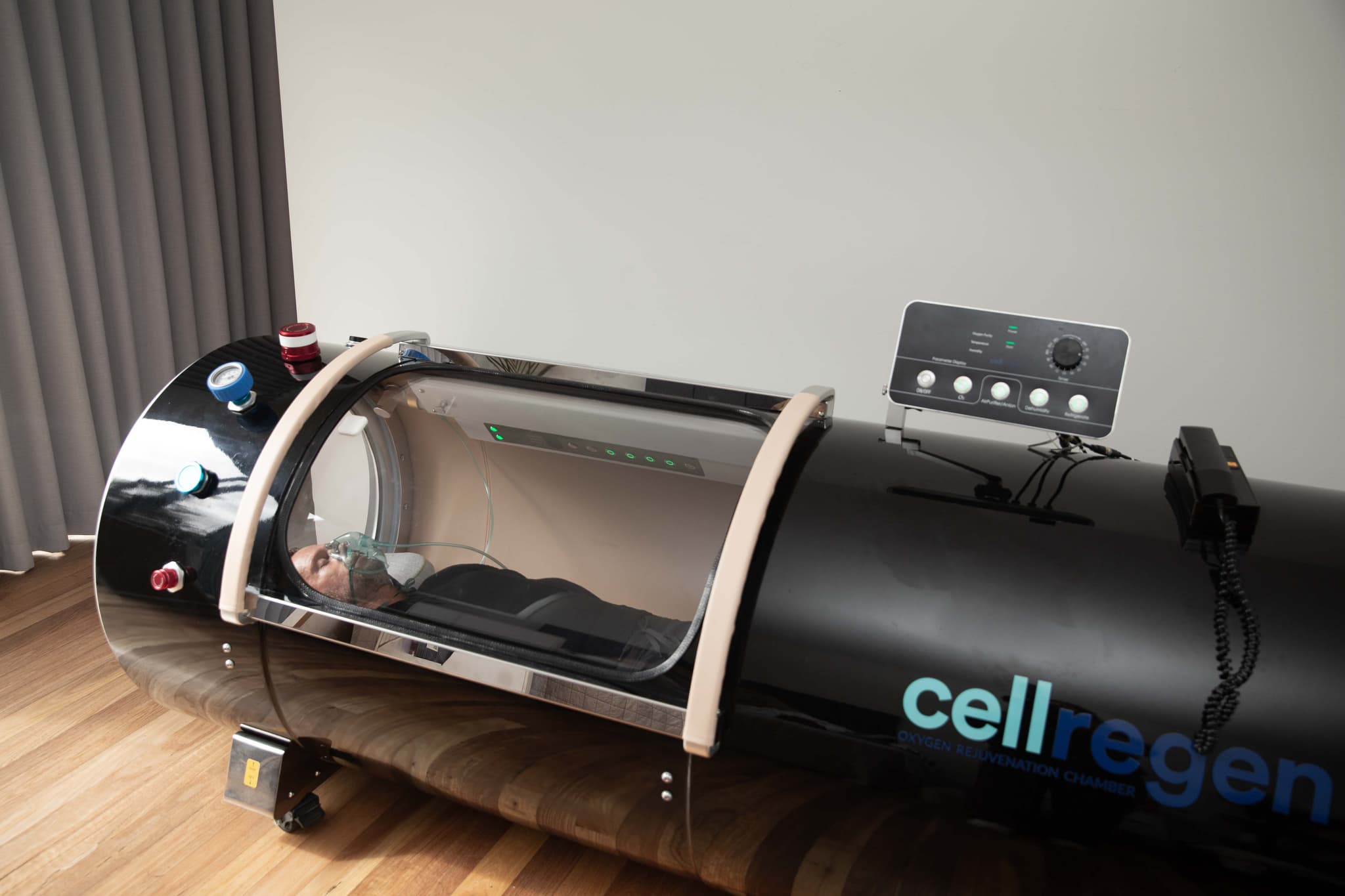
Mild HBOT sessions can take place in soft-sided, inflatable hyperbaric chambers that are much more portable and user-friendly. They also come in hard shell versions which can be lying or seated styles. These chambers can be used in homes, wellness centres, allied health clinics and offices.
Mild HBOT for wellness and recovery is growing in popularity, particularly among people seeking general well-being support, those interested in recovery from physical exertion, and individuals wanting to support their overall health routine.
4. Conditions Supported by Mild HBOT vs Traditional HBOT
Traditional HBOT is used in medical settings for specific, clinically recognised conditions. In Australia, Medicare may fund HBOT for a limited number of approved indications, which are strictly defined. These typically include:
Decompression sickness
Arterial gas embolism
Carbon monoxide poisoning
Certain non-healing wounds
Radiation tissue injury
Mild HBOT, on the other hand, is typically positioned as a wellness and recovery support tool, not a medical treatment. Some people explore mild HBOT as part of their broader wellbeing practices — for example, supporting recovery after sport, managing general fatigue, or as part of a healthy lifestyle routine.
Any claims made by mild HBOT providers must be aligned with AHPRA and TGA guidelines. Providers must not claim that mild HBOT can treat, cure, or prevent medical conditions unless this is supported by evidence and regulatory approval.
Not sure which therapy suits your needs? Book a consultation with a qualified health professional to learn how each therapy may benefit your individual situation.
5. Safety Considerations: Which Therapy Is Right for You?
Safety is a top priority with any form of oxygen therapy. Here's what you should know:
Traditional HBOT carries certain risks when not conducted properly. These can include ear and sinus discomfort due to pressure changes, oxygen toxicity at very high pressures (though this is rare and carefully monitored), and claustrophobia. However, when conducted by trained medical staff in a certified clinical setting, traditional HBOT has a well-established safety profile.
Mild HBOT is generally considered lower-risk due to its gentler pressure levels. However, it is still a therapy that interacts with your physiology, so it is not suitable for everyone. People with certain lung conditions, ear problems, or those who are pregnant should seek medical advice before using a hyperbaric chamber — even a mild one.
Whether you are considering hyperbaric oxygen therapy in Australia at a clinic or exploring a portable hyperbaric chamber Australia option for home use, always consult a qualified healthcare professional first. Do not self-diagnose or use hyperbaric therapy as a substitute for medical treatment.
Want to understand safety considerations better? Learn more and find out which therapy is best for your individual health needs with the guidance of a professional.
6. Benefits of Mild HBOT vs Traditional HBOT
The benefits of Mild HBOT and Traditional HBOT differ based on the goals of each person:
Traditional HBOT potential benefits (in medically indicated cases):
Used as part of the treatment for specific serious medical conditions
Delivers 100% oxygen to support tissue repair in clinical settings
Conducted under close medical supervision
Mild HBOT potential benefits (for general wellness):
More comfortable and accessible experience
Can be used in home or wellness settings
Gentle on the body due to lower pressure
Growing interest from those exploring holistic wellness approaches
It's worth noting that research into mild HBOT is still evolving. While traditional HBOT has decades of clinical research behind it for specific indications, mild HBOT's evidence base for wellness applications continues to grow. Reputable providers will always be transparent about the current state of evidence.
Discover the potential benefits of each therapy and book your session today to explore which option may be right for your wellness journey.
7. Cost and Accessibility: Mild HBOT vs Traditional HBOT
Cost is often a deciding factor. Traditional HBOT in a hospital or specialist clinic can be expensive, and Medicare coverage is limited to specific approved indications. Out-of-pocket costs for non-funded sessions can be several hundred dollars per session.
Mild HBOT is generally more affordable and accessible. Wellness clinics offering mild HBOT tend to charge less per session, and with options like affordable mHBOT for home use, including portable soft chambers, more Australians are able to explore this option at their own pace.
Access is available through various private wellness centres and clinics, many of which offer mild HBOT packages - see where here. A portable hyperbaric chamber purchase in Australia is also an option for those who want the convenience of at-home sessions, though this should always be done with appropriate guidance.
Explore affordable Mild HBOT options for home use, or access professional care through Traditional HBOT — speak with a provider to understand the right path for you.
8. Conclusion: Which Therapy Should You Choose?
Choosing between Mild Hyperbaric Oxygen Therapy vs Hyperbaric Oxygen Therapy really comes down to your individual circumstances, goals, and the guidance of your healthcare team.
If you are managing a serious, clinically recognised medical condition, traditional HBOT under medical supervision may be the appropriate pathway — and you should discuss this with your doctor.
If you are looking for general wellness support, recovery assistance, or lifestyle enhancement, mild HBOT may be worth exploring as part of a broader health routine — again, in consultation with a qualified professional.
Neither therapy should be viewed as a cure or a replacement for conventional medical care. Both are best used as part of a well-rounded, professionally guided approach to health and well-being.
For More Information, Contact Us
Ready to get started? Book your Mild HBOT or Traditional HBOT session at CellRegen today and take the first step toward supporting your wellness journey.