Introduction: How Hyperbaric Oxygen Therapy Enhances Wound Healing
When a wound refuses to heal — whether it's a diabetic ulcer, a surgical site, or a radiation injury — it can feel like your body has simply given up. Conventional treatments sometimes fall short, leaving patients frustrated and in pain for months or even years.
That's where wound healing hyperbaric oxygen therapy enters the picture.
Hyperbaric Oxygen Therapy (HBOT) is a medically recognised treatment that delivers high-concentration oxygen to the body in a pressurised environment. For patients dealing with slow or non-healing wounds, it has become an important part of a comprehensive wound care plan. Supported by clinical research and used in hospitals and specialist clinics worldwide, HBOT is helping people get back on their feet — sometimes when nothing else has worked.
In this blog, we'll walk you through what HBOT is, how it supports wound healing, what the science says, and how you can explore it as part of your care journey.
What is Hyperbaric Oxygen Therapy?

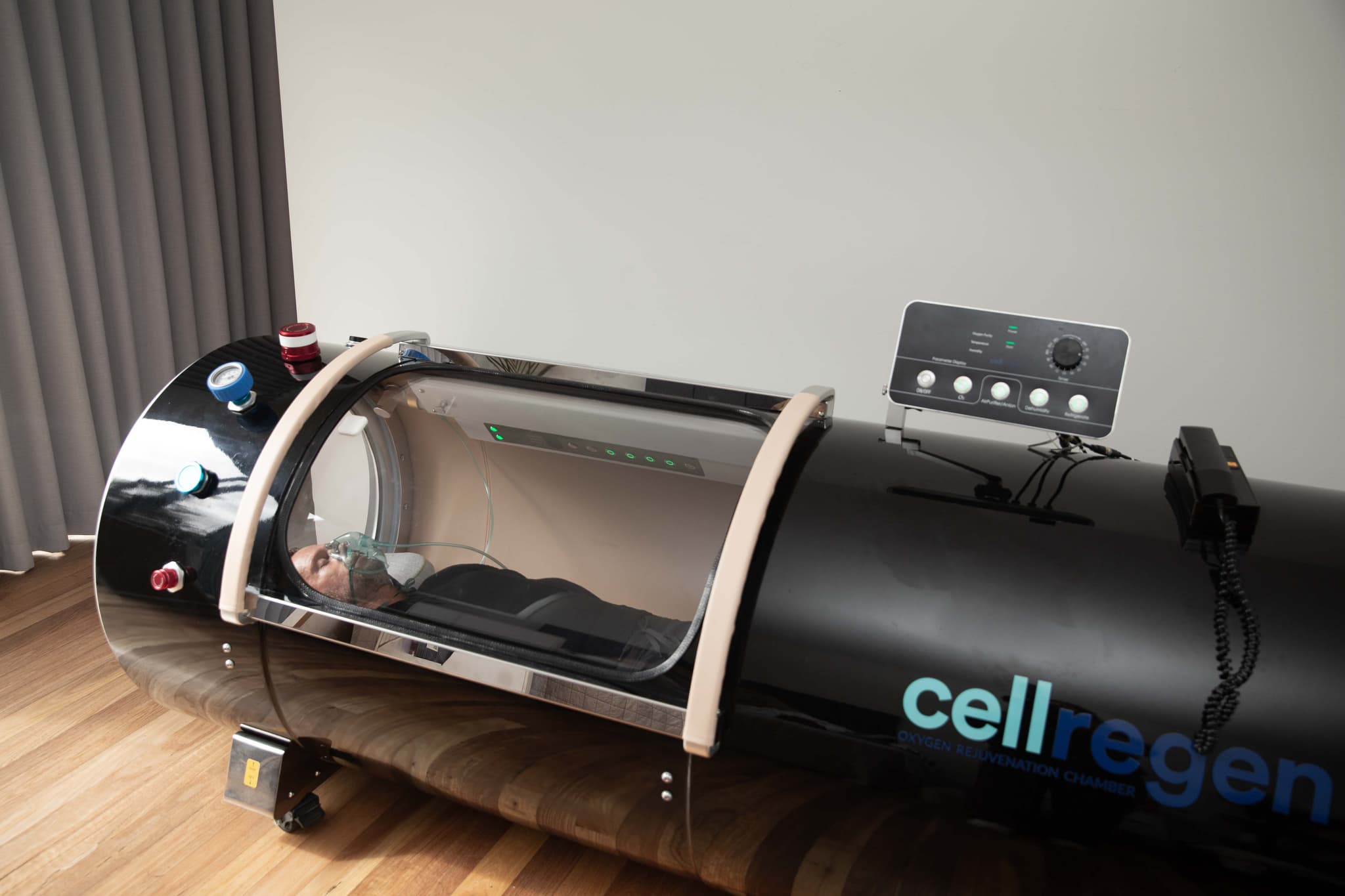
Hyperbaric Oxygen Therapy involves breathing pure (100%) oxygen inside a specially designed pressurised chamber. The atmospheric pressure inside the chamber is raised to around 1.5 to 3 times normal air pressure. Under these conditions, your lungs take in significantly more oxygen than they would under normal circumstances.
This oxygen-rich blood then circulates throughout the body, reaching tissues that are oxygen-deprived — particularly damaged or poorly healing wound tissue.
HBOT sessions typically last between 60 and 90 minutes, and a full course of treatment may involve anywhere from 20 to 40 sessions depending on the condition being managed. It is delivered in a clinical setting under medical supervision.
For those exploring options closer to home, home hyperbaric chambers and portable hyperbaric chambers(particularly mild hyperbaric chambers, which operate at lower pressures) are increasingly available in Australia. However, it is essential to consult a qualified healthcare provider before pursuing any hyperbaric oxygen therapy — whether in a clinic or at home.
The Science Behind Hyperbaric Oxygen Therapy for Wound Healing

Understanding why hyperbaric oxygen therapy for wound healing works requires a brief look at what wounds actually need to recover.
Healing tissue is hungry for oxygen. When a wound becomes chronic, it is often because blood vessels in the area are damaged, narrowed, or insufficient — meaning oxygen cannot reach the cells that need it most. Without adequate oxygen, the body cannot produce collagen (the protein that rebuilds tissue), fight off bacteria effectively, or generate new blood vessels (a process called angiogenesis).
HBOT addresses this directly by:
Flooding tissues with oxygen — Even damaged or poorly vascularised tissue can absorb dissolved oxygen from plasma during HBOT, bypassing blocked vessels.
Stimulating angiogenesis — The repeated cycles of high oxygen followed by normal oxygen levels encourage the body to grow new blood vessels into the wound area.
Enhancing white blood cell activity — Oxygen-rich environments make white blood cells more effective at killing bacteria, which is critical for infected or at-risk wounds.
Reducing swelling and inflammation — HBOT has been shown to help reduce oedema (tissue swelling) around wounds, which can otherwise slow the healing process.
Promoting collagen synthesis — With more oxygen available, fibroblasts (cells responsible for tissue repair) can produce collagen more efficiently, supporting tissue regeneration.
This multi-layered mechanism is why oxygen therapy for wound healing is not considered a standalone solution but rather a powerful adjunct to standard wound management.
Conditions Treated by Hyperbaric Oxygen Therapy for Wound Healing

HBOT is not suitable for every type of wound, but it has a well-established role in managing specific conditions. In Australia, Medicare provides rebates for HBOT in approved indications, which include:
Diabetic foot ulcers — One of the most common uses. HBOT for diabetic foot ulcers has strong clinical backing, with evidence suggesting it can reduce the risk of amputation in patients with lower-limb wounds that have not responded to standard care.
Chronic non-healing wounds — Wounds that have failed to progress through normal healing stages over 30 or more days.
Radiation tissue injury — Patients who have undergone radiotherapy for cancer may develop tissue damage (osteoradionecrosis or soft tissue radionecrosis) that responds positively to hyperbaric oxygen therapy for chronic wounds.
Compromised skin grafts and flaps — HBOT can support the survival of skin grafts and surgical flaps in threatened tissue.
Necrotising soft tissue infections — Serious, life-threatening infections that require an aggressive multidisciplinary approach.
Crush injuries and traumatic ischaemia — Injuries involving significant tissue damage and reduced blood supply.
If you have a wound that falls outside these categories, speak with your doctor or specialist about whether HBOT may still be appropriate as part of a broader treatment plan.
Real-World Benefits of Hyperbaric Oxygen Therapy for Wound Healing

Patients who undergo HBOT as part of their wound care plan often report meaningful improvements in their quality of life — not just in wound healing, but in their overall wellbeing. The benefits of hyperbaric oxygen therapy for wounds extend beyond the wound site itself:
Reduced pain — Oxygen-rich tissue tends to be less inflamed, and many patients report a reduction in wound-associated discomfort over the course of treatment.
Faster wound closure — When HBOT is combined with standard wound care, clinical studies have observed accelerated wound closure in eligible patients.
Lower infection rates — Enhanced white blood cell function and improved oxygen delivery create a less hospitable environment for bacteria.
Reduced risk of amputation — Particularly in diabetic patients, where lower-limb preservation is a major priority.
Improved tissue viability — Tissue that might otherwise need to be surgically removed may survive and recover with HBOT support.
It's worth noting that individual outcomes vary. HBOT is most effective as part of a coordinated care plan that includes appropriate wound dressings, infection management, offloading (for foot wounds), and addressing underlying health conditions such as diabetes or poor circulation.
Clinical Evidence: How Effective is HBOT for Wound Healing?

The evidence base for hyperbaric oxygen therapy for wound healing has grown steadily over the past few decades. Here is a summary of what the research tells us:
A Cochrane Review examining HBOT for chronic wounds found that, when used in addition to standard care, HBOT was associated with improved wound healing rates and a reduced likelihood of major amputation in patients with diabetic foot ulcers.
Multiple randomised controlled trials have demonstrated that HBOT can improve healing outcomes in radiation-induced tissue damage, with benefits observed even when treatment begins months or years after the initial radiation injury.
Research published in peer-reviewed journals has confirmed HBOT's role in promoting angiogenesis and collagen formation, providing a biological basis for the observed clinical improvements.
While the evidence is promising, researchers and clinicians continue to study HBOT's optimal protocols, patient selection criteria, and long-term outcomes. As with all medical treatments, it is important to have a thorough assessment by a qualified healthcare professional to determine whether HBOT is appropriate for your individual situation.
Safety and Considerations for Hyperbaric Oxygen Therapy

HBOT is generally considered safe when administered by trained professionals in an accredited clinical environment. However, like all medical treatments, it carries some risks and is not suitable for everyone.
Potential side effects include:
Ear or sinus pressure (similar to the sensation when flying)
Temporary changes in vision
Oxygen toxicity (rare, and monitored carefully in clinical settings)
Claustrophobia in some patients
Contraindications include:
Untreated pneumothorax (collapsed lung)
Certain medications (such as some chemotherapy drugs — always disclose your full medication list)
Some ear or sinus conditions
If you are considering hyperbaric oxygen therapy Melbourne or elsewhere in Australia, ensure the clinic is staffed by qualified medical professionals and that your treatment plan is developed and supervised by a licensed practitioner. This is especially important if you are exploring a portable hyperbaric chamber Australia option for home use — always seek medical guidance first.
How to Get Started with Wound Healing Using Hyperbaric Oxygen Therapy
If you or someone you care for has a wound that isn't healing, here are the recommended steps:
See your GP or specialist — Request a referral for a wound assessment. Your doctor can help determine whether HBOT is clinically appropriate.
Get a formal diagnosis — Understanding the underlying cause of the wound (e.g., diabetes, poor circulation, radiation damage) is essential for effective treatment planning.
Ask about HBOT — If you are managing a condition known to respond to HBOT, ask your healthcare team whether it could be included in your treatment plan.
Contact a qualified HBOT provider — Look for clinics with accredited equipment, experienced medical staff, and a clear treatment protocol.
Follow the full course — HBOT typically requires multiple sessions to be effective. Completing the recommended course is important for achieving the best possible outcomes.
Conclusion: Why Choose Hyperbaric Oxygen Therapy for Wound Healing?
Chronic and non-healing wounds can have a serious impact on quality of life — physically, emotionally, and financially. Wound healing hyperbaric oxygen therapy offers a scientifically supported, medically recognised approach to accelerating recovery in cases where standard treatments have not been sufficient.
From boosting oxygen delivery to damaged tissue, to stimulating new blood vessel growth and reducing infection risk, HBOT addresses wound healing at a fundamental biological level. The clinical evidence supports its use in specific conditions, and many patients have experienced meaningful improvements in wound outcomes and overall wellbeing as a result.
That said, HBOT is not a substitute for comprehensive medical care. It works best as part of a coordinated treatment plan developed with your healthcare team. Always consult a qualified healthcare provider before beginning any new treatment, especially for complex or serious conditions.
Ready to explore HBOT for your wound healing journey?
Contact CellRegen for your HBOT consultation and get started on your journey to faster wound healing. Our experienced team can help you understand whether hyperbaric oxygen therapy is right for you and guide you through every step of the process.