Introduction
Have you ever wondered why some athletes seem to bounce back from injuries in record time, or why certain stubborn wounds suddenly begin to heal after months of stagnation?
The secret might not be a new miracle drug, but rather the very air we breathe just delivered in a much more powerful way.
Welcome to the world of hyperbaric oxygen solutions. If you’ve been searching for a way to supercharge your body’s internal repair system, you’re in the right place.
In this guide, we’ll dive deep into how pressurised oxygen is changing the landscape of modern medicine and wellness.
1. What Are Medical Hyperbaric Solutions?
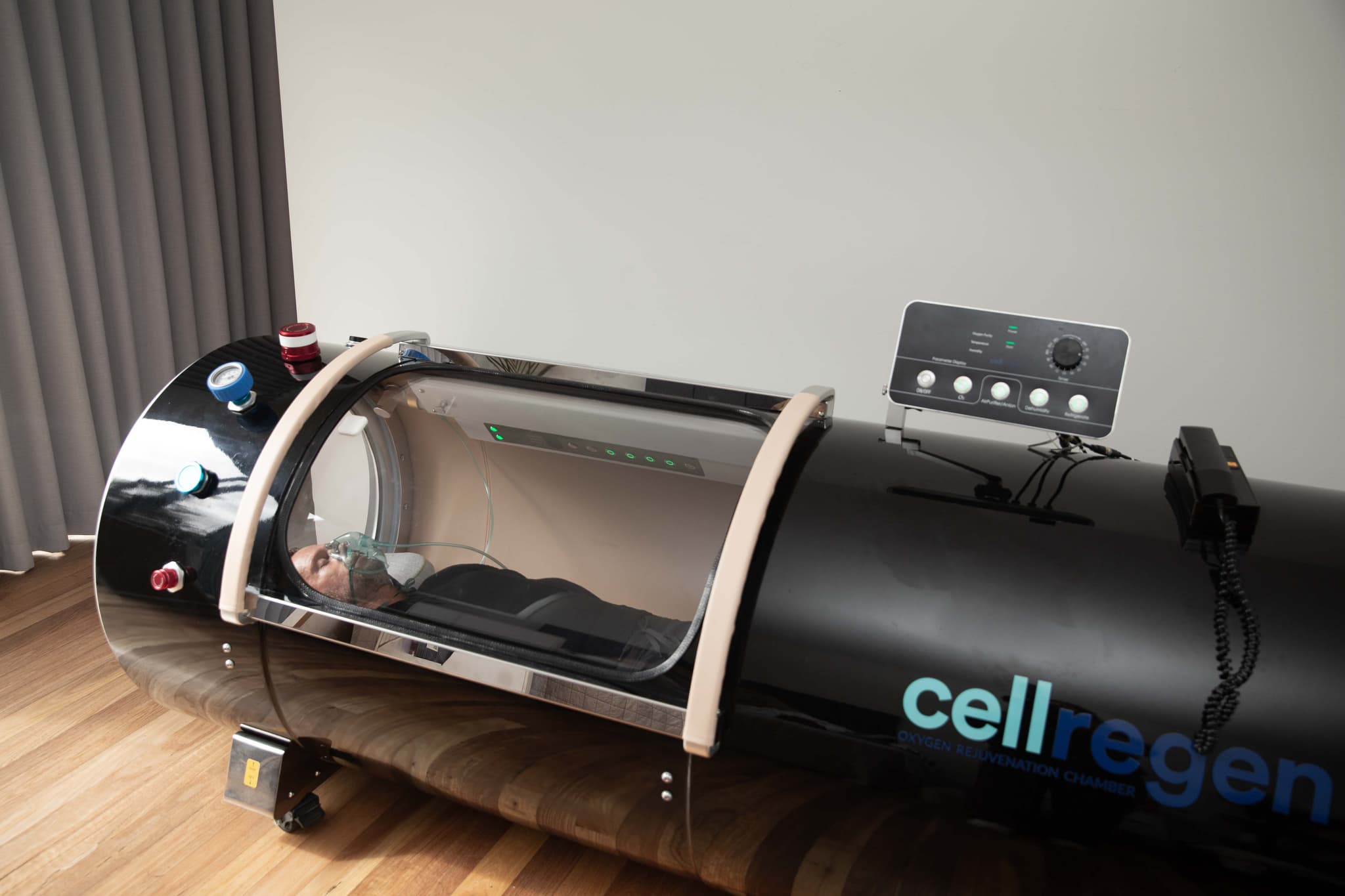
At its core, a medical hyperbaric solution is a specialized therapeutic intervention that involves breathing pure oxygen (or oxygen-enriched air) in a pressurized environment. This environment is created inside a "chamber"a sleek, pressurized vessel where the atmospheric pressure is increased to levels higher than what we experience at sea level.
Why does pressure matter? Think of it like a soda bottle. When the liquid is under pressure, more gas is dissolved into it. Similarly, when your body is under hyperbaric pressure, oxygen doesn't just bind to your red blood cells; it actually dissolves into your blood plasma, cerebrospinal fluid, and lymph. This allows oxygen to reach areas where circulation might be restricted, providing the "fuel" necessary for damaged cells to begin the work of reconstruction.
2. How Hyperbaric Oxygen Therapy (HBOT) Works
To understand hyperbaric oxygen therapy, we have to look at the physics of our lungs. Under normal conditions, our red blood cells are already nearly saturated with oxygen. Breathing more oxygen at normal pressure doesn't add much to our system.
However, according to Henry’s Law, the amount of a gas that dissolves into a liquid is proportional to the pressure exerted upon it. When you enter a hyperbaric chamber:
Pressure Increases: The atmospheric pressure is raised, usually between 1.5 to 3.0 times the normal air pressure.
Oxygen Saturation: The lungs gather significantly more oxygen than would be possible at normal pressure.
Deep Diffusion: This concentrated oxygen is pushed deep into the body’s tissues, even bypassing blocked blood vessels or reaching areas with poor circulation.
Cellular Activation: This "hyper-oxygenation" triggers various biological signals that tell the body to reduce swelling, fight infection, and grow new blood vessels.
3. Mild Hyperbaric Oxygen Therapy Explained
Not all hyperbaric treatments require high-intensity clinical settings. Mild hyperbaric oxygen therapy (mHBOT) is a lower-pressure alternative that has gained massive popularity in the wellness and athletic communities.
While clinical HBOT usually operates at pressures above 2.0 ATA (Atmospheres Absolute) using 100% oxygen, mHBOT typically operates at around 1.3 to 1.5 ATA.
Why Choose Mild Hyperbaric Therapy?
Accessibility: mHBOT chambers (often called "soft-shell" chambers) are more comfortable and less intimidating for those with claustrophobia.
General Wellness: It is excellent for reducing brain fog, improving sleep quality, and boosting energy levels.
Recovery: Athletes use it to flush lactic acid and reduce the recovery time between intense training sessions.
Safety: The lower pressure profile makes it an extremely low-risk option for long-term health maintenance.
4. The Science of HBOT Healing & Tissue Repair
The primary reason doctors prescribe medical hyperbaric solutions is for HBOT healing & tissue repair. The biological impact of extra oxygen is profound. Here is how it helps your body rebuild:
Angiogenesis (New Blood Vessel Growth)
Oxygen is the signal the body needs to build new capillaries. In areas where tissue has been damaged by radiation, diabetes, or trauma, blood flow is often restricted. HBOT stimulates the growth of new pathways to bring nutrients back to the "starving" tissue.
Collagen Production
Collagen is the "glue" that holds our skin and tissues together. Fibroblasts (the cells that make collagen) are highly oxygen-dependent. By flooding the body with oxygen, HBOT speeds up the structural repair of skin and connective tissues.
Stem Cell Mobilization
Studies have shown that a course of hyperbaric treatments can significantly increase the concentration of circulating stem cells in the body. These "master cells" can transform into whatever type of cell the body needs to repair itself.
Reducing Edema (Swelling)
Hyperbaric pressure helps to constrict blood vessels slightly without reducing oxygen delivery. This helps move excess fluid out of swollen areas, which is critical for treating crush injuries or post-surgical inflammation.
5. Conditions Supported by Medical Hyperbaric Solutions
While HBOT started as a treatment for divers with "the bends," its list of applications has grown exponentially. Today, it is used for both "FDA-approved" clinical conditions and "off-label" wellness goals.
Chronic and Non-healing Wounds: Specifically diabetic foot ulcers, which can often be saved from amputation through oxygen therapy.
Radiation Injury: For cancer survivors experiencing tissue damage months or years after radiation therapy.
Crush Injuries & Compartment Syndrome: Rapidly reducing swelling to save limbs.
Carbon Monoxide Poisoning: Quickly flushing toxins out of the hemoglobin.
Sudden Hearing Loss: Increasing oxygen to the delicate nerves of the inner ear.
Neurological Recovery: There is growing interest in using HBOT for TBI (Traumatic Brain Injury) and stroke recovery to "wake up" stunned neurons.
6. What to Expect During a Session: A Step-by-Step Guide
If you’re nervous about your first session, don't be! Most people find it to be the most relaxing part of their day.
Preparation: You’ll change into 100% cotton clothing (to prevent static) and remove any jewelry or watches.
Entry: You’ll lie down or sit comfortably inside the chamber. Many modern chambers have windows or are made of clear acrylic.
Compression: As the technician starts the session, you’ll hear the hiss of air. You will feel a sensation in your ears similar to landing in an airplane. You’ll need to "pop" your ears by swallowing or yawning.
The "Dive": Once at full pressure, you simply relax. You can read, watch a movie, or take a nap. The air remains cool and fresh.
Decompression: At the end of the 60–90 minute session, the pressure is slowly released. You’ll feel a slight cooling sensation as the air expands.
7. Safety and Important Considerations
While medical hyperbaric solutions are incredibly safe, they are still a medical procedure.
Ear Health: If you have a severe cold or sinus congestion, it may be difficult to equalize the pressure in your ears. It’s best to wait until your sinuses are clear.
Prescription & Supervision: Always seek treatment from reputable centers that use certified technicians and maintain their equipment to the highest standards.
Blood Sugar: Oxygen therapy can occasionally lower blood sugar levels, so diabetics should have a light snack before entering the chamber.
8. The Future of Oxygen Therapy
As we move toward a more "proactive" rather than "reactive" healthcare model, hyperbaric solutions are moving into the mainstream. We are seeing more integration of oxygen therapy in anti-aging clinics, sports medicine facilities, and even high-end spas. The ability to hyper-oxygenate the body offers a foundation of health that supports almost every other type of treatment, from physical therapy to nutritional supplementation.
9. Conclusion
Whether you are dealing with a chronic health challenge or simply looking to optimize your physical performance, medical hyperbaric solutions offer a non-invasive, drug-free way to accelerate the body’s innate ability to heal. From the deep cellular work of HBOT healing & tissue repair to the general vitality boost provided by mild hyperbaric oxygen therapy, the benefits are as clear as the air we breathe.
If you are looking for professional, high-quality hyperbaric oxygen therapy Melbourne offers some of the most advanced facilities to help you start your journey toward better health. Don't let a lack of oxygen hold your recovery back pressurize your potential and breathe your way to a better you.
"For more information, contact us!
Frequently Asked Questions (FAQs)
1. What are medical hyperbaric solutions used for?
A. They are primarily used to treat non-healing wounds, carbon monoxide poisoning, and radiation injuries. However, they are also widely used for athletic recovery, reducing inflammation, and improving cognitive clarity.
2. How does mild hyperbaric oxygen therapy differ from traditional HBOT?
A. Traditional HBOT uses high pressure (2.0+ ATA) and 100% oxygen for serious medical conditions. Mild HBOT uses lower pressure (1.3–1.5 ATA) and is generally used for wellness, fatigue, and minor injury recovery.
3. Is hyperbaric oxygen therapy safe?
A. Yes. When performed in a controlled environment with trained staff, it is very safe. The most common side effect is mild ear pressure, similar to what you feel on a flight.
4. How does HBOT support tissue repair?
A. By dissolving oxygen directly into the blood plasma, HBOT reaches damaged tissues that have poor blood supply. This extra oxygen triggers the release of stem cells and growth factors that rebuild skin, bone, and blood vessels.
5. What should I expect during a hyperbaric session?
A. Expect a relaxing 60 to 90-minute session. You will feel your ears "pop" during the first few minutes, but once at pressure, you can nap or read. You will leave feeling refreshed, though some people feel a bit tired as the body begins the detoxification and repair process.